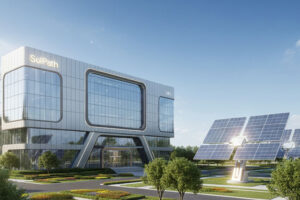
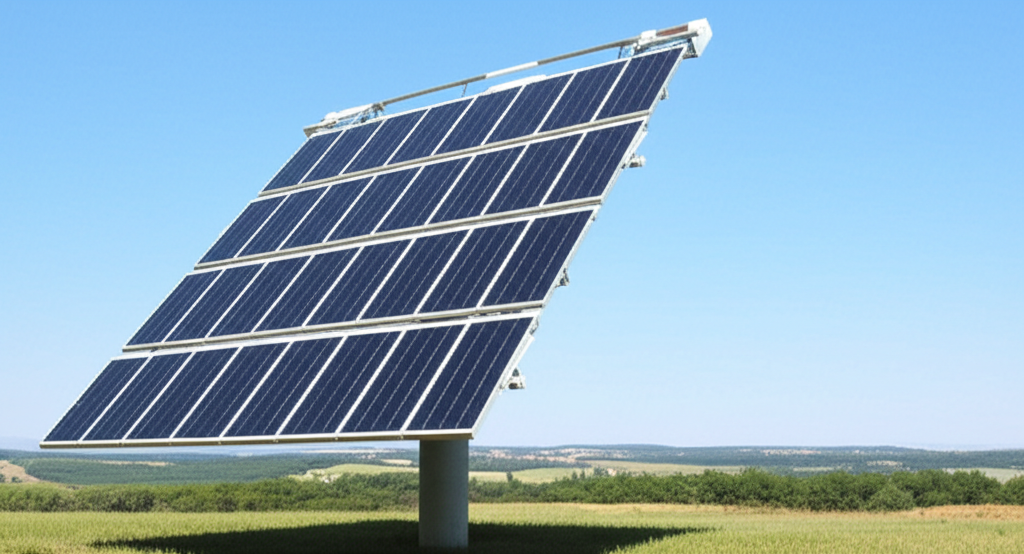
As global demand for both food security and clean energy intensifies, the solar tracking system has emerged as a pivotal technology bridging agriculture and power generation. Among various configurations, the dual axis solar tracker stands out as the most sophisticated solution, dynamically adjusting photovoltaic panels along both horizontal and vertical axes to maintain near-perpendicular alignment with the sun throughout the day and across seasons. This precision delivers 5–10% greater energy yield than single-axis alternatives while creating unique opportunities for agrivoltaics—the dual use of land for crop cultivation and solar energy production.
What Makes Dual-Axis Trackers Ideal for Agriculture?
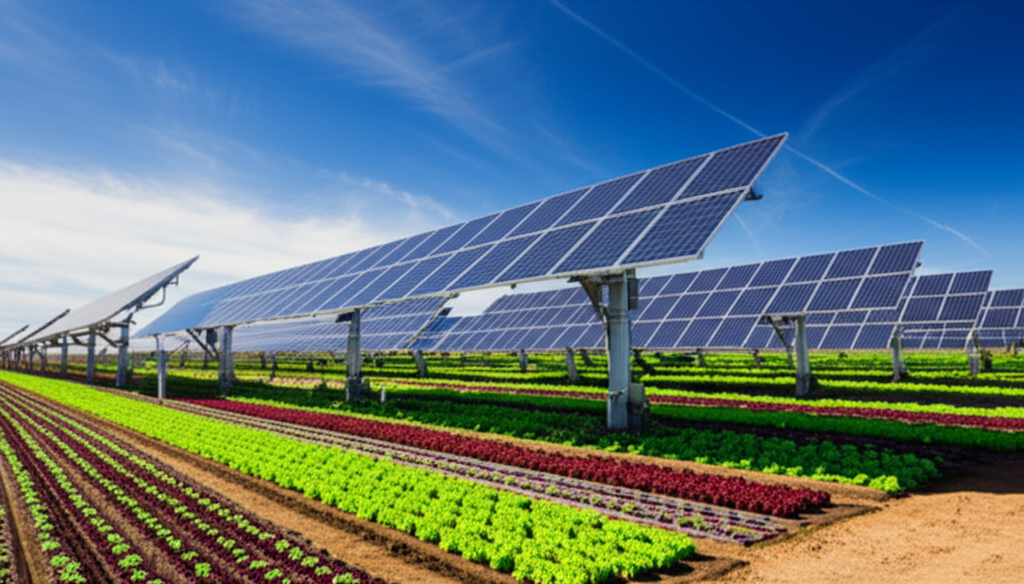
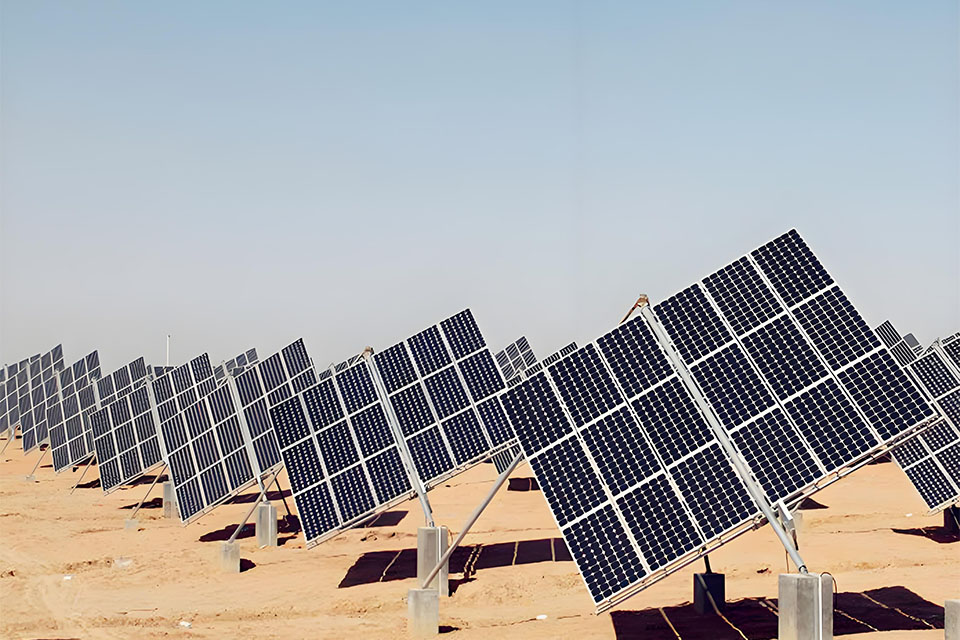
Unlike fixed-tilt installations, a солнечный трекер system continuously optimizes the angle of incidence of sunlight. Dual-axis mechanisms achieve this by rotating panels on both azimuth (east-west) and elevation (north-south) axes, capturing maximum irradiance from sunrise to sunset regardless of seasonal sun-path variations. For agricultural applications, this precision is particularly valuable because it allows developers to elevate panels at heights exceeding 4–5 meters, creating ample clearance for farming machinery, livestock movement, and crop growth underneath while maintaining optimal energy generation above.
The elevated architecture of dual-axis solar tracking system installations naturally supports agrivoltaic integration. By positioning panels high above ground level, these structures provide partial shading that reduces crop water evaporation by 6–31% and moderates temperature extremes that stress plants. The dynamic tracking capability further enables real-time adjustment of shading patterns, allowing farmers to balance light distribution between energy production and photosynthesis requirements according to crop growth stages.
Application Scenarios Across Diverse Terrains
Plains and Flat Agricultural Regions
In expansive flat terrains such as the North China Plain, the American Midwest, or the pampas of Argentina, dual axis solar tracker arrays can be deployed at scale with uniform row spacing. The predictable topography allows precise geometric optimization, minimizing mutual shading between tracker rows while maximizing ground coverage ratio for crops planted beneath. In these settings, wheat, corn, soybeans, and alfalfa thrive under elevated trackers, benefiting from reduced wind exposure and moderated soil temperatures.
In France’s Provence-Alpes-Côte d’Azur region, dynamic PV panels with tracking capabilities have been integrated into vineyards to combat drought stress while maintaining grape yields. The adjustable structures tilt to optimize light conditions for both solar generation and viticulture, demonstrating how солнечный трекер technology can adapt to high-value perennial crops on flat agricultural plains.
Mountainous and Hilly Terrain
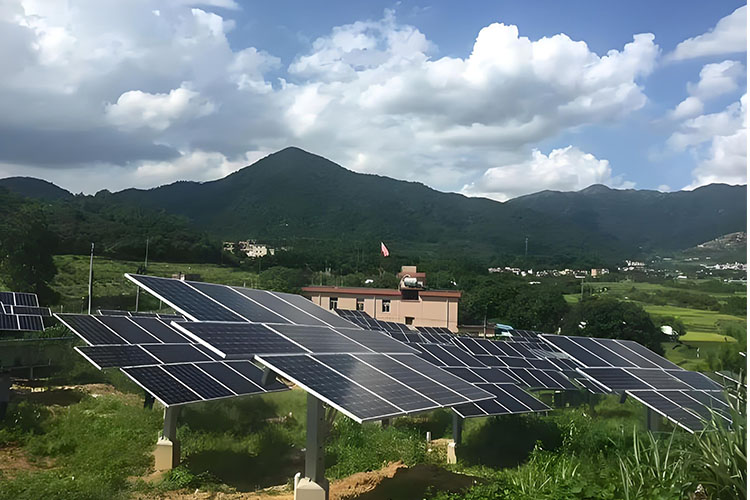
Mountainous regions present distinct challenges and opportunities for solar tracking system deployment. In Japan’s Miyagi Prefecture, the Shizugawa Solar Plant demonstrates how elevated agrivoltaic systems can coexist with rice cultivation in mountainous rural areas. The panels are positioned high enough to avoid obstructing traditional farming activities while their shading effect reduces water evaporation from rice paddies, improving water use efficiency in terraced landscapes where irrigation is precious.
Similarly, in China’s Qinghai province, where altitudes exceed 3,000 meters and climatic conditions include low temperatures, strong radiation, hailstorms, and heavy snow loads, specialized dual axis solar tracker systems have proven their stability and rigidity. These installations adapt to complex topography from plateaus to hills while supporting agricultural applications including goji berry cultivation on rehabilitated degraded land, contributing to both energy transmission and local agricultural productivity.
Rolling Hills and Undulating Landscapes
For undulating terrain, modern солнечный трекер manufacturers have developed terrain-following mounting systems that accommodate slope variations while maintaining tracker accuracy. In Germany, Fraunhofer ISE has conducted multi-season experiments with bifacial modules raised 5 meters above winter wheat fields on rolling agricultural land. Results demonstrate that agrivoltaics helps mitigate drought effects on winter wheat, maintaining yields comparable to open-field cultivation while generating substantial clean energy.
Crop-Specific and Livestock Applications
High-Density Crop Integration
В dual axis solar tracker excels in high-density crop integration scenarios where precise light optimization is critical. Solar panels with dual-axis tracking dynamically adjust both tilt and orientation to track the sun’s position accurately. This level of control proves particularly useful in regions where sunlight conditions vary significantly throughout the day or where complex topography creates uneven irradiance distribution. Integrating dual-axis tracking with agrivoltaics ensures that both energy production and crop growth are optimized, offering a sophisticated solution for intensive vegetable production, berry cultivation, and orchard management.
In Chachapoyas, Peru, situated at 2,300 meters above sea level in a temperate-humid climate, bean plantations under elevated solar structures demonstrated that plants grew taller under diffused light conditions, resulting in heavier pods and higher yields per hectare. The solar tracking system enabled dynamic light management that promoted stem elongation through optimized diffused light distribution.
Vineyard and Orchard Protection
Specialized dual axis solar tracker configurations are increasingly deployed in viticulture and pomology. In Germany’s Weinbau 4.0 project, inclination sensors integrated into overhead PV systems in vineyards allow panels to follow the sun or adjust based on farming-related weather data. After rainfall, modules can move into vertical positions to allow crop leaves to dry quickly and avoid fungal growth, demonstrating how intelligent солнечный трекер systems can actively support plant health management.
In the Republic of Korea’s Ongjin-Gun, agrivoltaic systems installed over grape crops protect against heavy rain while controlling shading rates at approximately 30% of total roof area. Experimental data showed that while initial grape coloring and growth were delayed due to irradiance reduction, adjusting harvest timing by ten days achieved quality equal to control-site grapes, proving that solar tracking system integration can maintain premium crop standards.
Livestock and Pasture Integration
For pastoral agriculture, elevated dual axis solar tracker installations provide dual benefits: energy generation and animal shelter. In tropical and subtropical regions, the shading provided by elevated tracker arrays reduces heat stress on grazing cattle, sheep, and goats while generating power for farm operations. The dynamic nature of dual-axis tracking allows adjustment of shading intensity throughout the day, creating comfortable microclimates for livestock during peak heat hours while maximizing evening energy capture.
Global Success Stories by Region
Asia-Pacific: Maximizing Land Efficiency
Japan leads in mountainous agrivoltaic deployment, where солнечный трекер systems are elevated above rice paddies and vegetable fields to maximize land-use efficiency in constrained rural regions. Government subsidies and research funding have enabled widespread adoption of fixed and dynamic elevated PV systems, creating dual income streams for aging farming populations.
На сайте India, agrivoltaic projects span vineyards and vegetable cultivation across more than 20 crop varieties. The national KUSUM scheme and renewable incentives support mixed approaches using monofacial and bifacial panels above crops, achieving significant water savings and energy security for smallholder farms. Dual axis solar tracker technology is increasingly adopted in high-value commercial horticulture where precision light management justifies investment.
Europe: Precision Agriculture Integration
France has established itself as a pioneer in vineyard agrivoltaics, with dynamic PV panels and tracking systems reducing drought stress in wine regions while stabilizing yields. National Agri-PV pilot programs and strategic support have created regulatory frameworks that encourage solar tracking system deployment across premium agricultural zones.
На сайте Germany, the integration of bifacial modules with smart sensors on 5-meter elevated structures has demonstrated yield preservation for potatoes, beets, and vegetables across four growing seasons. EU support and national climate plans provide policy backing, while public-private partnerships address zoning challenges for agricultural land use.
Americas: Scale and Innovation
In the United States, research at institutions like Duke University and NREL focuses on adjustable-height PV panels for lettuce, kale, and pollinator plants. The Bending Branch Winery in Texas anticipates installation of elevated dual axis solar tracker systems above grapevines in 2025, with NREL documenting performance impacts on vineyard operations, power reliability, and hail protection.
Brazil и Chile are expanding agrivoltaic feasibility studies for coffee plantations and northern plains agriculture. While still in early-stage pilots, experimental PV arrays in Brazil’s coffee regions and Chile’s high-irradiance zones demonstrate theoretical benefits of combining солнечный трекер technology with shade-tolerant cash crops.
Africa: Water-Energy-Food Nexus
Across Kenya and broader African regions, agrivoltaic systems address the water-energy-food nexus by powering irrigation pumps while shading vegetable and grain crops. Fixed and basic tracking systems reduce water loss and improve irrigation efficiency, with NGO and donor-supported projects demonstrating community-level gains in energy access and agricultural productivity.
Technical Advantages in Agricultural Contexts
В dual axis solar tracker offers distinct technical advantages for farming applications. The TMM22 inclination sensors used in dual-axis configurations measure elevation angles across 90-degree ranges with approximately 0.1-degree error tolerance, enabling precise panel positioning. Hermetically sealed enclosures compliant with IP66 through IP69K standards ensure durability in agricultural environments exposed to dust, moisture, and chemical inputs.
Дополнительно solar tracking system controllers now incorporate agricultural parameters into tracking algorithms. The Supertrack intelligent algorithm, deployed in harsh environments including high-altitude plateaus, dynamically optimizes tracking angles to achieve energy gains up to 8% above traditional astronomical algorithms while considering crop shading requirements. These smart platforms adjust tracking angles based on shading patterns, crop health data, and weather forecasts to maximize both agricultural yields and electricity generation.
Economic and Environmental Impact
For farmers and landowners, dual axis solar tracker agrivoltaic systems deliver substantial economic benefits. By generating solar power, agricultural operations offset energy costs for irrigation, processing, and cold storage while potentially earning revenue from excess electricity sold to the grid. The dual-use approach ensures maximum land productivity without compromising agricultural output, effectively doubling land value efficiency.
Environmentally, these solar tracking system installations contribute to CO₂ reduction while preserving agricultural soil health. The elevated structures minimize ground disturbance compared to traditional ground-mount solar farms, maintaining soil integrity for continuous cultivation. Water conservation benefits—reducing evaporation by up to 31%—prove particularly crucial in drought-prone regions where agricultural water scarcity threatens food security.
Заключение
The integration of dual axis solar tracker technology with agriculture represents a transformative approach to sustainable land use. From the rice paddies of Japan’s mountains to the wheat fields of Germany’s rolling hills, from France’s prestigious vineyards to the emerging coffee plantations of Brazil, solar tracking system solutions are proving that energy generation and food production can synergize rather than compete.
As AI-driven predictive tracking, modular designs, and smart grid integration continue advancing, dual axis solar tracker systems are expected to play a pivotal role in global agricultural modernization. For farmers, investors, and policymakers seeking to balance energy transition with food security, the evidence from worldwide deployments is clear: dual-axis agrivoltaics offers a technically mature, economically viable, and environmentally responsible pathway to dual land productivity.