
本当の効率性の問題ソーラーパネルは十分に働いているか?
ちょっと想像してみてください。太陽光発電所は順調に稼働しているのに、予想よりも早く電力コンタが落ち込み、潰れてしまう。固定傾斜型パネルは理論上は素晴らしいように見えるが、太陽は常に正しい位置にあるだろうか?直射日光が1時間当たらないごとに、収入は減る。同じ投資でより多くの利益を得られるだろうか?そこで、回転式パネル、つまり「太陽光追尾型」パネルの出番です。この記事では、本題に入りましょう。太陽光追尾型パネルは本当に高いパフォーマンスを発揮するのか、そしてプロジェクトの収益性を考えると、アップグレードする価値はあるのだろうか?
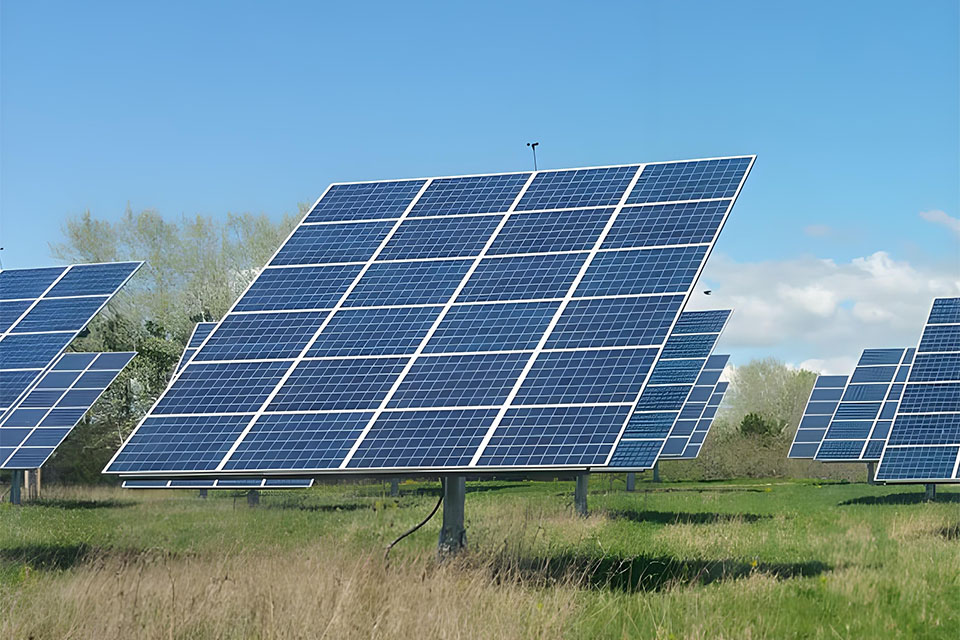
ソーラートラッカーを理解する:パネルを回転させることで、より多くの太陽エネルギーを取り出す方法
太陽光トラッカーは、あなたの仕事でキロワットアワーを無駄にしないための方法です。固定傾斜パネルのように一定の角度で固定されるタイプとは異なり、トラッカーは空を横切る太陽光に追従します。夜明けから日没までパネルを太陽光に対して垂直に保つことで、発電量を増加させます。
大きく分けて2種類あります。
- 単軸トラッカー: これらは、太陽の毎日の東西活動に合わせて、パネルを 1 つの軸 (通常は南北) に沿って回転させます。
- デュアル軸トラッカー: これらには第 2 軸 (通常は東西に傾斜) が含まれており、システムが太陽の高度と方位を「追跡」して、年間を通じて直線的な照射を最適化します。
SolPathトラッカーは、高度な制御方式と影に強いバックトラッキング機能を備えています。これにより、パネルは無駄な調整ではなく、賢明に再調整され、遮蔽や列間の損失を回避します。
なぜトラッキングが重要なのか?
太陽光パネルの発電量は、実際の太陽光に直接依存します。固定式パネルは、太陽が特定の角度にある場合にのみ最大の発電量を発揮します。太陽が移動すると、固定傾斜式システムは性能が低下します。トラッカーは日中を通してその最適な角度を追跡し、実際の発電量を増加させます。
ソーラートラッカーの種類:あなたに合うのはどれ?
単軸:ユーティリティ・スケールの主力機
単軸トラッカーは、地上設置型の大型タスクにおいて主流です。アップグレード費用を抑え、メンテナンスも容易です。特に、明るく低緯度地域で優れた性能を発揮します。
デュアルアクシス:オールシーズンキャプチャ
二軸トラッカーは、太陽光の角度が大きく変化する地域や、高価格帯の土地など、絶対的な最大収量が必要な場所に照射します。通常、研究室、特殊用途、商業施設の屋根など、わずかな収量でも重要となる場所で使用されます。
アクティブシステムとパッシブシステムの比較
現代のトラッカーの多くはアクティブ型で、センサー、モーター、そしてスマートソフトウェアを用いて精度を高めています。SolPathのアクティブ型トラッカーは、リモートアポイントメントとOTAアップグレードを統合しており、人件費、ダウンタイム、そして手動による変更作業を削減します。パッシブ型システムは機械的な調整(液体の流動など)に依存しており、デジタル的な側面は欠けています。
数字で見る回転式ソーラーパネルの効率は?
検証されたフィールドデータに表示される内容は次のとおりです。
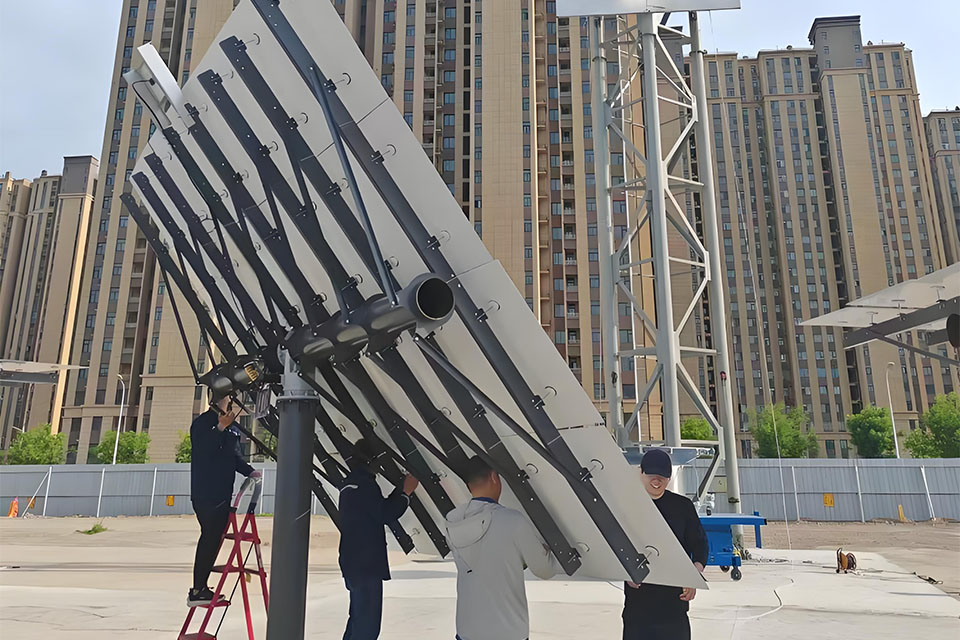
- Single-axis trackers 固定傾斜方式に比べて発電量を15~30%増加させます。 Dual-axis trackers can push that benefit further, delivering 20 – 40% even more compared to fixed arrays. Shadow-resistant backtracking adds one more 2 – 6% ahead, reducing those feared morning and evening shading losses. Bifacial modules with trackers? Anticipate 5 – 10% additional gain as light bounces from the ground onto the back cell.
SolPath tasks see these numbers in the real world: A 10MW setup in Ningxia supplied a 4.5% greater return using backtracking. Systems in Mongolia and the U.S. have proven durable across deserts, snowscapes, and gusty plains.
Performance Comparison Table
| Feature | Fixed-Tilt | Single-Axis Tracker | Dual-Axis Tracker |
|---|---|---|---|
| Energy Gain | ベースライン | +15% to +30% | +20% to +40% |
| Backtracking | Not applicable | +2–6% extra (w/ SolPath) | +2–6% extra (w/ SolPath) |
| Bifacial Bonus | +0%–2% | +5%–10% | +5%–10% |
| O&Mニーズ | 最小限 | Low (remote/OTA, automated) | Moderate (more axes, sensors) |
| インストール | Simplest | Standard ground-mount | Highest complexity |
真のトレードオフ:コスト対歩留まりとROI
You want to optimize your plant. Yet every gain features a price tag:
- CAPEX: Trackers set you back 10-15% even more upfront than fixed-tilt varieties. Setup is a bit extra included.
- OPEX: Annual O&M adds 0.5-1.5% of capital price. SolPath’s OTA upgrades and remote surveillance reduced these numbers by lowering website visits.
- 長寿: Modern trackers, when made to IEC 62817 standards and constructed with heavy-duty actuators, regularly deliver > 99.5% availability and have life spans matching your panels.
Still, the bottom line is convincing: By boosting yield and decreasing LCOE by 2-5% over system life time, trackers normally pay for themselves in 3-6 years for utility-scale jobs, in some cases quicker in high-irradiance regions.
The SolPath Approach
SolPath’s インテリジェントな太陽光トラッカー deliver peak efficiency with minimal difficulty:
- Shadow-resistant tracking: More energy, less shade, reduced losses.OTA firmware updates and remote appointing: Start much faster, remain lean.Custom engineering: From dry deserts to harsh surface, we customize services to your website.
- Full system supply: Trackers, controllers, placing, electronic assimilation, all from one trusted service provider.
- Higher return: That’s even more clean energy and even more income.
- Grid versatility: Boost lunchtime result and adjust to grid guidelines.
- Smaller land/facility impact per MWh: Make much better use every square meter.
- Mechanical intricacy: More relocating parts = more things to check (however smart diagnostics make it simple).
- Wind and surface threats: Modern wind stow methods and durable design (as you’ll find in SolPath trackers) are critical on subjected or sloped websites.
- Residential fostering: Space, financial investment, and looks limit tracker use in home projects – trackers policy in utility and commercial areas.
- Site Assessment: Analyze surface, wind tons, shading, and solar resource.
- System Selection: Choose single- or dual-axis based on your return goals and spending plan.
- Config Engineering: Use SolPath’s electronic modeling for torque, drive, and layout optimization.
- Backtracking Implementation: Activate shadow-resistant algorithms to take full advantage of every row.
- Remote Commissioning: OTA セットアップを展開します。現場での大規模な作業は必要ありません。
- SCADA/EMSとの統合: シームレスなデータ、監視、スマートな制御により、手間のかからない O&M を実現します。
- 監視と最適化: デジタル コントロール パネルを使用して、理解、情報、無線によるファームウェア チューニングを行います。
- 定期メンテナンス: 定期的に美観チェックをスケジュールし、コンポーネントの交換を予測する SolPath 分析を活用します。
- 単軸または二軸トラッキングを備えた回転式太陽光発電パネルは、エリアデータによって裏付けられている固定傾斜型よりも一貫して15~40%優れた性能を発揮します。
- スマートバックトラッキングと両面パネルは追加の収益をもたらし、LCOEをさらに削減します。
- SolPath の OTA コミッショニング、耐影制御、および完全なソリューションの組み合わせにより、収益と経費の削減で優位性が得られ、実際の競争上の勝利につながります。
- 機械的な複雑さとわずかな O&M の増加は、より高出力な製造と多用途の電子監視によって相殺されるよりも大きいです。
- すべての Web サイトがトラッカーの恩恵を受けるわけではありませんが、土地、ソース、企業の状況が整えば、パフォーマンスと ROI の向上は明らかです。
どのくらい多くのエネルギーを消費できるでしょうか? solar tracker?
単軸トラッカーは収益を15~30%、二軸トラッカーは最大40%向上させます。SolPathのような耐影性システムは、通常2~6%のプレミアムを提供します。
トラッカーには複雑な維持管理が必要ですか?
現代のシステムなら問題ありません。リモートトラッキング、OTAファームウェア、そして予測アルゴリズムにより、トラックロールを削減し、問題を早期に把握できます。定期的な物理点検を計画すれば、O&Mは通常、年間費用のわずか0.5~1.5%しかかかりません。
トラッカーは極端な天候や過酷な地形でも機能しますか?
はい、IEC 62817規格および現場仕様に基づいて開発・設置された場合、その通りです。SolPathの風圧による格納と後退特性は、世界中の強風、寒冷地、不整地での作業で実証されています。
住宅用ウェブサイトに太陽光追跡は価値があるのでしょうか?
公共事業と商業施設の建設は、最も高いROI(投資収益率)が見込まれます。住宅の育成は依然としてスペースと外観の制約がありますが、最大の収益を求める厳選された住宅所有者にとっては価値があるかもしれません。