
太陽光発電は未来のエネルギーのように思えるかもしれませんが、実際の数字が現実のものとなるまではそうはいきません。太陽光発電プロジェクトのプログラマー、EPC、そしてオーナーシップマネージャーなら誰もが、太陽光追尾システムへの投資は事業に必要なリターンをもたらすのかという真の疑問を理解しています。このガイドでは、実証済みの戦略と実例に基づき、太陽光追尾システムの投資収益率(ROI)の計算方法を詳しく説明します。ぜひご一読いただき、リターンを最大化し、リスクを軽減しましょう。
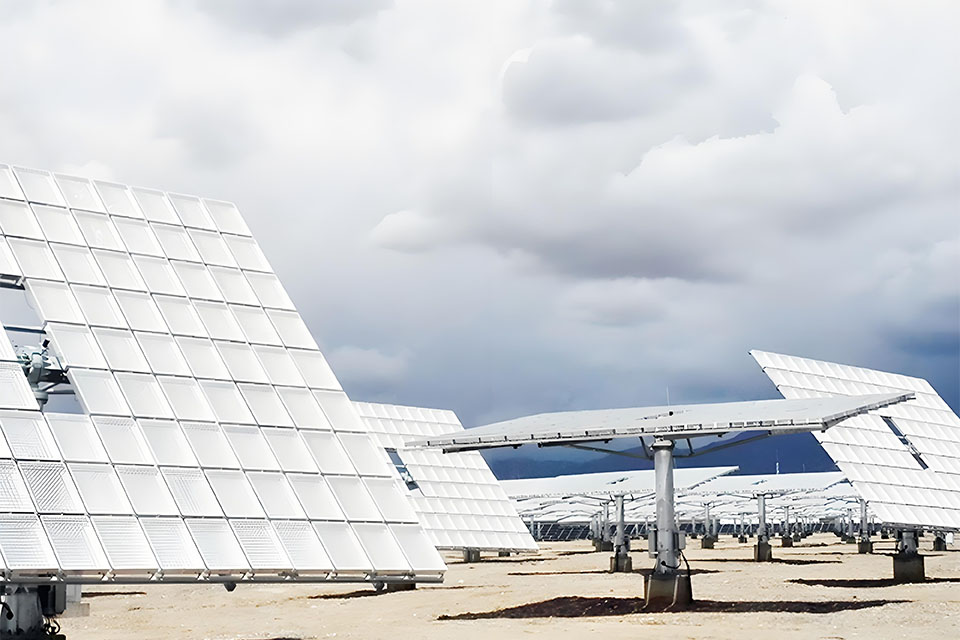
太陽光トラッカーのROI計算が重要な理由
太陽光発電所の計画や管理には、数百万ドル規模の設備投資、限られた作業期限、そして運用上の制約など、多くのリスクが伴います。太陽光トラッカーの設置は、より高い収量が得られるという謳い文句から魅力的に見えます。しかし、機器の追加は追加投資を意味し、1ドルたりとも無駄にはなりません。あなたは以下の疑問に答えを探しています。
- 太陽光トラッカーは実際に均等化発電原価 (LCOE) を削減できるのでしょうか?
- どれくらい早く元が取れるのでしょうか?
- 予期せぬコストと危険性は何でしょうか?
単なるマーケティングの宣伝ではなく、実用規模の企業の現実に合ったフレームワークが必要です。
あなたが直面する本当のリスクとニーズ
問題点を挙げてみましょう:
- 土地は必ずしも平らではありません。列ごとに日陰ができたり、地形が複雑だったりすると、収穫量が減ることがあります。
- O&M 支出計画は厳しく、予期しないダウンタイムは実際の倉庫利益を示唆しています。
- 地域の気候問題、つまり風、雪、汚れ、湿度、極端な気温などがシステムを試練にさらします。
- 投資家と金融機関は、銀行融資の信頼性、すなわち IEC 62817 への適合、永続的な整合性メトリクス、および十分な根拠のある財務予測を求めています。
1kWh も無駄にしたくないが、パフォーマンスと価格については確実性が必要です。
コアバリュープロポジション:太陽光トラッカーがプロジェクトの経済性を高める仕組み
太陽光トラッカーは、太陽光の動きに合わせて太陽光パネルを回転させることで、日陰を最小限に抑え、直射日光を最大化します。そのメリットは以下のとおりです。
- エネルギー収量の増加: 単軸トラッカーは通常、固定傾斜アレイに比べて 15 ~ 25% 高い電力を供給します。二軸トラッカーでは、この電力は 25 ~ 40% も増加します (IEA PVPS、2023)。
- LCOE のメリット: 結果が大きくなると、通常、公益事業規模のジョブの LCOE が 2~5% 減少することを意味します (NREL、2023)。
- 回収期間の短縮: 分析によると、太陽光トラッカーは一般的に投資回収期間を 1 ~ 3 年短縮できることが明らかになっています (SolarReviews、2024 年)。
SolPath の影に強いバックトラッキング アルゴリズムなどのインテリジェントなオプションを使用すると、難しい Web サイトでも最大限のリターンを得ることができます。地形に賭ける必要はもうありません。
ソーラートラッカーのROIに影響を与える要素
ROI を決定する際に重要な点を詳しく説明します。
- 初期投資コスト
トラッカーは固定傾斜式ラックシステムよりもコストがかかりますが、最新のサプライチェーンと無駄のないレイアウトが役立ちます。以下の点を考慮してください。
- Tracker elements, drives, and controls.
- Mounting hardware (surface adaptability adds value for sloped sites).
- Installation labor and appointing.
Greater energy result translates to more profits. Return gains rely on:
- Tracker type (single vs. dual axis).
- Latitude and insolation.
- Local weather condition patterns.
SolPath’s shadow-resistant tracking and backtracking cuts losses from shading between rows, especially on intricate surface.
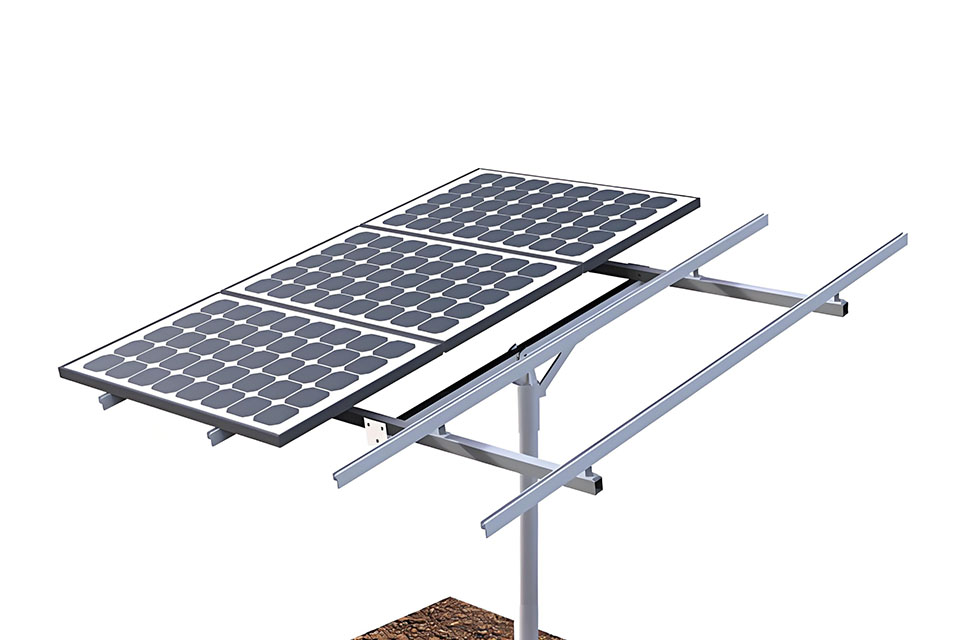
- Operational & Maintenance (O&M) Costs
O&M is a constant concern:
- Trackers add relocating components – possibly, more maintenance.
- Yet, best-in-class systems (IEC 62817 compliant, like SolPath) keep annual O&M listed below 1% of system price.
- Remote tracking, anticipating analytics, and OTA firmware upgrades aid reduce unexpected downtime.
Take full advantage of:
- Net metering programs.
- Solar tax obligation credit reports (e.g., United States ITC).
- Regional grants and renewable energy aids.
These incentives can considerably accelerate repayment.
- Electrical Energy Price Escalation
Future-proof your financial investment – increasing electrical energy prices indicate higher long-lasting cost savings.
- System Lifespan and Degradation Rate
Trackers must last 25+ years. Look for systems with high dependability rankings, licensed to IEC 62817, and make sure electronic O&M tracks panel degradation.
Step-by-Step Guide: Calculating Solar Tracker ROI
Prepared to problem the numbers? Here’s your roadmap.
Step 1: Gather Project Data
- Location information: Latitude, typical DNI/GHI.
- System size: kW/MW set up, tracker type.
- Energy usage profile: Annual demand.
- Cost breakdown: Tracker capex, installation, anticipated O&M.
- Local motivations: Tax credit histories, gives.
Simple repayment duration:
Payback Period = Initial Investment/ (Annual Energy Revenue – Annual O&M Costs).
Net Present Value (NPV):
NPV=∑[(年間純収益)÷(1+割引率)^年]-初期投資。
Internal Rate of Return (IRR):
Determine the price cut price that makes NPV absolutely no.
Use software application or our forthcoming interactive ROI calculator for even faster evaluation.
Step 3: Validate Assumptions
- Compare tracker yield to fixed-tilt baseline.
- Factor in deterioration and actual O&M experience (see SolPath deployment study).
- Review local climate influences: wind/snow lots, store strategy, and reliability information.
Bring clearness to decision-makers with transparent, data-driven recaps.
Comparison Table: Single-Axis vs. Dual-Axis Solar Trackers
| 機能/利点 | 固定傾斜 | Single-Axis Tracker | Dual-Axis Tracker |
|---|---|---|---|
| Energy Yield | ベースライン | +15–25% | +25–40% |
| LCOEの影響 | — | -2–5% | -5–8% |
| CAPEX | より低い | 適度 | より高い |
| O&Mコスト | 最低 | Low–Moderate | 適度 |
| Terrain Tolerance | 限定 | Good (esp. with backtracking) | Excellent (but costlier) |
| Suited For | Low-budget/flat sites | Commercial/utility projects | Complex terrain/high yield |
| 典型的な使用例 | Residential/flat solar farm | Large PV plants | Farmland/irregular sites |
| SolPath Tech | Not available | Intelligent trackers, OTA | Backtracking, remote control |
Checklist: Steps to Calculating Solar Tracker ROI
- Pinpoint your project area and irradiation profile.
- Use NREL/PVGIS or neighborhood atmospheric information.
- Select tracker system.
- Compare solitary vs. dual-axis; check neighborhood climate suitability.
- Estimate system costs.
- Quote tracker supply, mount, and appointing.
- Project annual power manufacturing.
- Use simulation software program (PVsyst, Helioscope) and SolPath information.
- List continuous O&M costs.
- Factor in anticipating upkeep and remote surveillance.
- Map out monetary incentives.
- Verify eligibility for readily available grants/tax credit ratings.
- Forecast future electrical power prices.
- Use neighborhood utility acceleration fads.
- Run financial models.
- Payback, NPV, IRR; verify presumptions with well-known case studies.
- Review lasting reliability.
- Favor IEC 62817-compliant trackers with OTA upgrades.
- Document everything for stakeholders.
- Transparent, auditable results – bank engineers enjoy this!
- Use intelligent tracker formulas: SolPath’s shadow-resistant backtracking shields outcome in dense or unequal varieties.
- Leverage remote appointing and monitoring: Cut time-to-energize and eliminate expensive site trips. Over-the-air updates maintain controls present across fleets, worldwide.
- Integrate with your SCADA/EMS: Full exposure, granular control, and real-time possession wellness.
- Focus on terrain-adaptive placing: Custom remedies manage slopes, farmland, and odd layouts – do not go for cookie-cutter equipment.
- Solar trackers can increase return by 15 – 40% and minimize LCOE, especially with advanced control formulas and backtracking.
- ROI depends on initial price, return gain, O&M costs, incentives, and site-specific risk variables.
- Single-axis trackers provide the best balance for many utility-scale tasks; dual-axis luster in particular niche scenarios.
- Intelligent attributes like SolPath’s remote commissioning, anticipating upkeep, and complete supply chain assistance drive higher bankability and lower threat.
- Always confirm numbers with actual study and certified integrity data.
Is a solar tracking system worth the extra expense?
Yes, if your site gets enough sun and preventing row-to-row shading is possible. Trackers elevate energy return and often spend for themselves in 5 – 8 years, in some cases much less with incentives.
What is a “good” ROI for a solar tracker project?
For the majority of commercial and utility-scale sites, 8 – 12% IRR and a payback duration under 8 years are eye-catching targets. Regional prices and incentives vary commonly – always run your very own numbers.
Just how much extra electricity does a tracker generate?
Single-axis trackers enhance annual outcome by ~ 15-25%; dual-axis can hit ~ 25-40% over fixed-tilt (IEA PVPS, 2023). Climate, website layout, and tracker tech all matter.
Just how do I minimize O&M expenses for solar trackers?
Choose systems with digital monitoring, predictive maintenance, and remote firmware upgrades like SolPath – to lessen downtime and costly website visits.
Internal Links
- Intelligent solar trackers for every project size.
- Shadow-resistant tracking technology for complex terrain.
- Remote commissioning and OTA upgrades for PV plants.
- 太陽光トラッカーコントローラー - 高度な信頼性.
- ROIを最大化するユーティリティ規模のトラッカーソリューション.
- 太陽光トラッカーの有効性
- 商用太陽光トラッカーの価格設定における主な要因
- 太陽光トラッカーが長期的なLCOEを下げる方法
- トラッカー付き1MW太陽光発電所のコスト
- 数字で見る最大出力
- ソーラートラッカーのROI
- ソーラートラッカーの価格予測
- SolPath 製品ナレッジベース – 「ソーラートラッカーシステムの機能と ROI 要因」、ドキュメント番号 #SP-TRACK-ROI-2024。
- IEA PVPS. 「太陽光発電アプリケーションの動向:2023年の太陽光発電アプリケーション調査報告書」国際エネルギー機関太陽光発電システムプログラム、2023年。[https://www.iea-pvps.org/reports/]
- NREL. 「大規模太陽光発電システムのコストと性能」国立再生可能エネルギー研究所、2023年。[https://www.nrel.gov/docs/fy23osti/87343.pdf]
- SolarReviews. 「太陽光トラッカーは価値があるか?」SolarReviews、2024年。[https://www.solarreviews.com/blog/are-solar-trackers-worth-it]
- IEC 62817:「太陽光発電システム - 太陽光トラッカーの設計適格性」、国際電気標準会議。
- IRENA. 「2022年の再生可能エネルギー発電コスト」https://www.irena.org/Publications/2023/Aug/Renewable-Power-Generation-Costs-in-2022]