
あなたは太陽光発電所を経営していて、常にその絶好のポイント、つまり最小限の手間で最大限の発電量が得られる場所を探し求めています。高度な追尾技術の話題は耳にしたことがあるでしょう。 dual-axis 魔法、そして現在は変化球、球面追跡システム。これらは大きな飛躍となるのか、それとも単なる希望的観測なのか? 現実世界での成果と話題性に分けて、分析してみましょう。
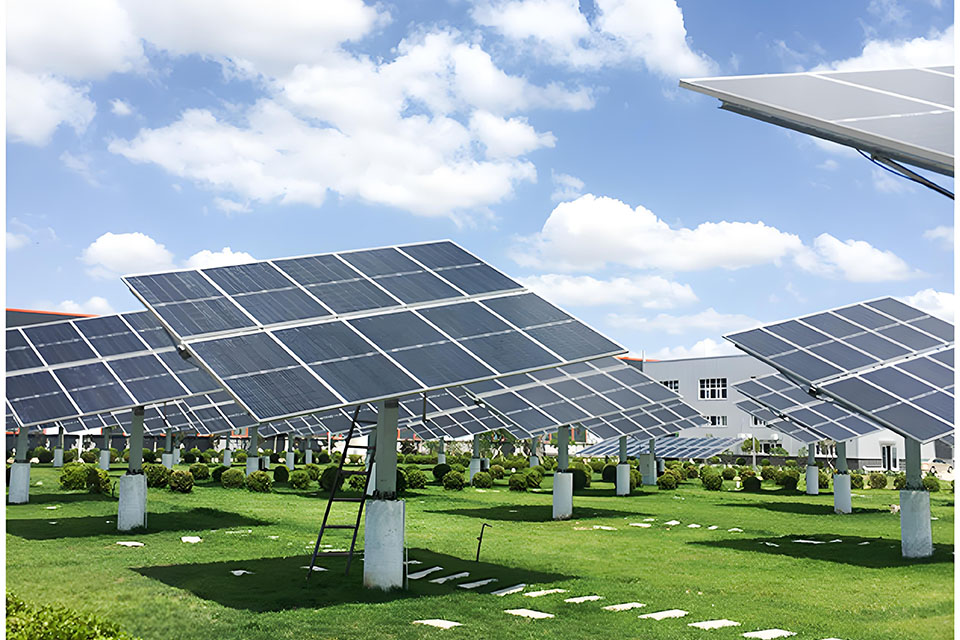
太陽追尾システムを理解する:効率性の基礎
今日の太陽光発電業界では、太陽光から得られるワット数を1ワットでも最大限に引き出すことが、プロジェクトの収益を左右します。だからこそ、太陽光追尾システムは現代の太陽光発電設備の基盤となっているのです。
- 球状太陽追跡装置とは一体何でしょうか?
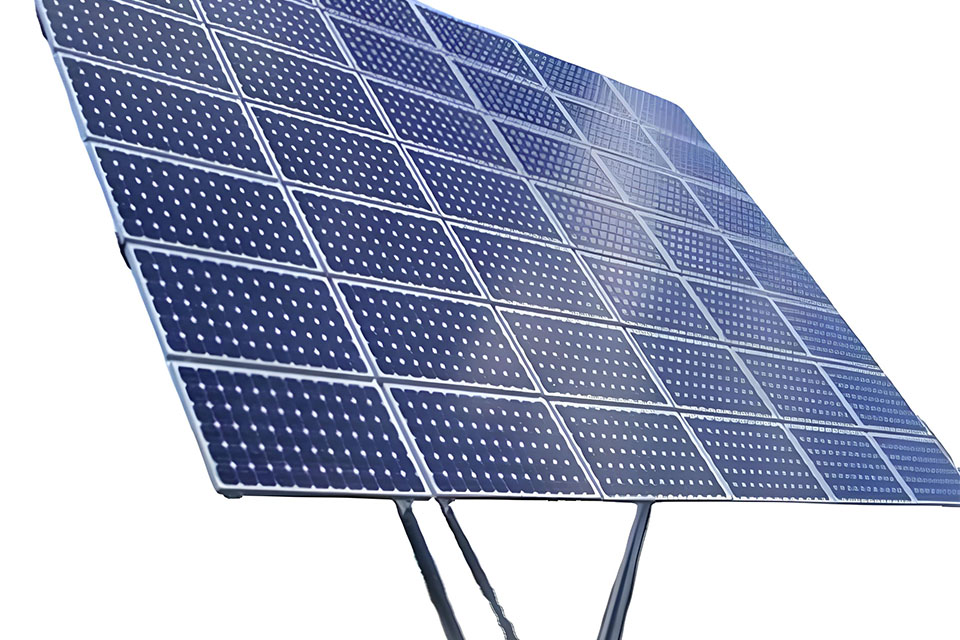
球状追尾システムは、南北、東西、そしてその間のあらゆる方向から太陽の動きを追尾することを目的としています。太陽光に対して垂直に設置された既存の太陽光発電パネルに、いつでも自由に回転する球体を想像してみてください。理論的には、正確な太陽追尾において最高のシステムです。
- どうやって Dual-Axis トラッカーを比較しますか?
二軸システムは、すでに太陽を2つの平面で追跡し、夜明けから夕暮れまで直射日光を最適化しています。これにより、収益は着実に向上します。 固定傾斜タイプに比べて25~40% (ソース)を掲げ、多くの環境で具体的な行動を起こします。
- 簡単な進化.
初期の追跡装置は基本的な傾斜測定に特化していました。その後、天候保護や暗闇監視技術を備えた、より洗練されたスマートなシステムが登場しました。例えば、SolPathの Commercial Tracker スケジュール。
実用性に関する深掘り:球面トラッキングのメリットと課題
メリット球体システムの利点
ラウンドトラッカーは次のことを約束します:
- トップレベルのエネルギー回収.
通常の追跡装置よりも太陽光をより正確にマッピングすることで、円形システムは太陽光を最大限に活用することができます。 直達法線放射照度(DNI)PV プラントと CSP プラントの両方にとって不可欠です。
- 土地利用の厳格化.
モバイルの全方向レイアウトを使用すると、不快、最小限、または非標準的な効果を持つ Web サイトが予期せず実用的になります。
- 強化されたグリッド統合の可能性.
位置を微調整する能力は、電力貯蔵やスマートグリッドシステムとうまく連携し、グリッド安定化機能を実現する可能性があります。
課題: 落とし穴は何か?
すべてが太陽の光ではないので、袖をまくって準備してください。
- 高額な初期費用.
球状システムは極めて複雑です。部品の移動が増えると、 より高額な初期投資 ROIに関しては、特に実績のある single-axis または dual-axis trackers.
- メンテナンスと信頼性.
円形のシステムを効率的に回転させるには、より継続的なメンテナンスが必要です。アクチュエーターの追加、監視対象の増加、そしてポイントが横方向に移動した場合の対処もさらに増えます。
- 環境および構造リスク.
強風は球形建築物に甚大な被害をもたらします。竜巻や悪天候における防護システムは、従来の建築物が確実に対応できる範囲を超える場合もあり、その影響は計り知れません。
SolPath’s Approach: We favor remedies that balance high outcome with reduced O&M, such as intelligent dual-axis trackers with anti-shadow tracking and remote commissioning, guaranteeing you get more power with fewer break downs.
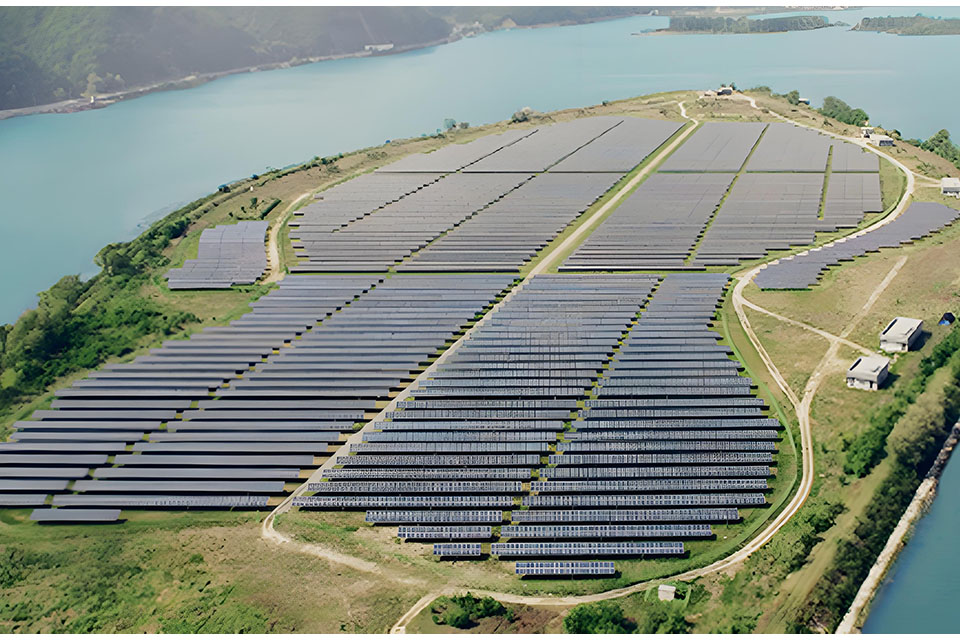
球体対現状:両者の比較は?
Let’s align the competitors
| 機能/メトリック | Spherical Tracking | Dual-Axis Tracking | Single-Axis Tracking |
|---|---|---|---|
| Max Energy Gain vs Fixed | 30-45% (theoretical) | 25-40% | 15-25% |
| 初期費用 | 高い | 適度 | Low to moderate |
| Maintenance Demand | 高い | 適度 | 低い |
| Site Adaptability | 高い | 高い | 適度 |
| Proven Track Record | 低い | 高い | 非常に高い |
| Typical ROI Timeline | Longer, less certain | 4-7 years | 3-6 years |
Source: substitute industry and academic case studies, IRENANREL]、 SolPath Datasheets.
Real-World Applications & Case Studies: Lessons from the Field
While traditional trackers dominate most new deployments, a handful of specific niche pilots and R&D tasks check out spherical tracking:
- Spherical Concentrator PV.
Academic experiments reveal optical performances as much as 80% in regulated settings, fueling passion in small industrial or urban retrofits (sciencedirect).
- Commercial Tracker Deployments.
Most of successful commercial solar plants stick to proven dual-axis or high-yield single-axis services, preferring integrity, lower O&M, and quicker economic payback (Commercial Tracker, Utility Scale Tracker).
Customer Story:
A Southeast Asian solar EPC firm taken into consideration spherical trackers for a mountainous site. After running a LCOE contrast, they found that SolPath’s shadow-resistant dual-axis systems provided 95% of the projected gain but cut maintenance and resources prices by 30%. The project went deal with a dual-axis commercial solution— and surpassed return projections even in over cast months.
問題解決の実践:ROI、信頼性、実世界への適合性
Your Pain Points– And How to Solve Them
- ROI optimization:
Spherical tracking continues to be a “maybe later” for a lot of capitalists, as a result of unverified area economics and longer repayment cycles. Instead, you’ll often obtain a far better result by releasing modern dual-axis or intelligent single-axis offerings, which maximize result while slashing O&M.
- Reducing Costs:
Less complex auto mechanics mean less labor hours and lower component substitute regularity. SolPath’s trackers function OTA upgrades and remote diagnostics that drive down downtime and dispatches.
- Maximizing Yield in Tough Sites:
Smart algorithms, shadow-resistant designs, and tilt optimization allow you press every ray– also on rolling or partly shaded ground.
重要なポイント
- Spherical-tracking is innovative, yet high expenses, complexity, and maintenance make it not practical for most large projects today.
- Proven dual-axis そして single-axis trackers provide the majority of the power upside, with significantly less functional risk.
- Focus your financial investment on knowledge and dependability– remote commissioning, anti-shadow tech, and robust O&M assistance win the day.
- When comparing options, run a site-specific LCOE analysis and think about tried and tested area data, not just lab numbers.
1. Review Your Site and Goals:
Take into consideration shadow, land impact, wind conditions, and offered grid infrastructure.
2. Contrast Trackers Side by Side:
制約条件に合わせてカスタマイズされたROIシナリオを実行します。SolPathは、実際のシステム仕様を活用して、この設計を支援します。
3. インテリジェントで信頼性の高いソリューションを選択する:
高度なコントロールとリモートサポートを備えたトラッカーを選びましょう。これにより、ストレスを最小限に抑え、長期的なリターンを最大限に活用できます。
4. 開始する準備はできましたか?
最も有名なトラッカーオプションを検索:
または、SolPath デザイナーに問い合わせて、個別の効率シミュレーションを実施してください。
Frequently Asked Questions (FAQs)
Q: 球形ソーラートラッカーの通常の寿命はどれくらいですか?
A: 機械の複雑さから、円形トラッカーは摩耗コストが高くなりますが、適切なメンテナンスを行えば15~20年は使用できます。多くの2軸システムは、通常20年以上使用できます。
Q: さらにどのくらいのエネルギーを生成できるのでしょうか?
A: 理論上は、固定傾斜方式よりも最大45%向上します。インテリジェントな2軸システムは、コストとリスクを抑えながら、この利点の多くを実現します。
Q: 住宅や小規模な商業施設への設置に適していますか?
A: 複雑さと価格を考えると、屋上や小規模農場ではなく、パイロット プロジェクトや研究に適しています。
Q: どのような維持費が必要ですか?
A: アクチュエータと動作が増えると、チェック、潤滑、コンポーネントの交換も増えるため、少なくとも単軸配置の 2 倍の年間 O&M が必要になります。
Q: 主な制限は何ですか?
A: 初期費用が高く、長期的な信頼性が証明されておらず、基本的な代替手段に比べてメンテナンスが複雑です。
次の一手
仕事の成果を数値で確認したいですか?カスタムROIとパフォーマンスシミュレーションをリクエストしてください ここ、または当社の 設置とメンテナンスのヒント 投資を最適化するために。費用対効果が高く、将来を見据えた追跡システムをお探しなら、世界有数の太陽光発電EPCが信頼するサービスをご利用ください。円形追跡システムも検討してみてください。ただし、今すぐに賭けるのはやめましょう。
SolPath。実用的なサービス。成功する太陽の光。