
The foundation—or solar tracker basement—is the critical structural element that determines the stability, longevity, and performance of any solar tracking system basement installation. Whether deploying single-axis or dual-axis trackers, selecting the appropriate foundation type depends on soil conditions, terrain, project scale, and mobility requirements. This article explores the main categories of solar tracker foundations, including concrete foundations, mobile/portable foundations, ground screw pile foundations, ballasted systems, and rock anchor foundations, with practical examples for each.
1. Concrete Foundation (The Industry Standard)
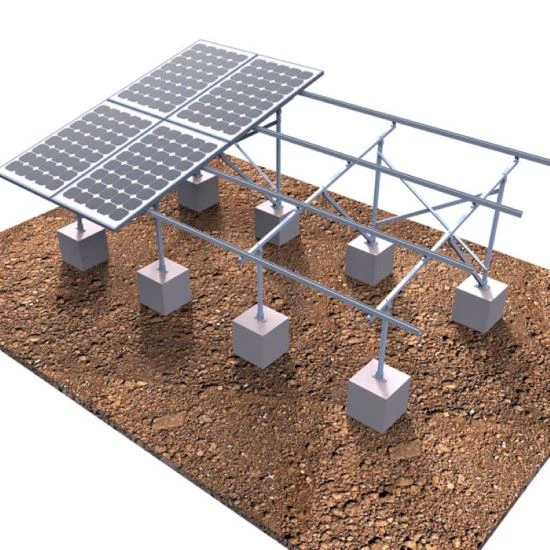
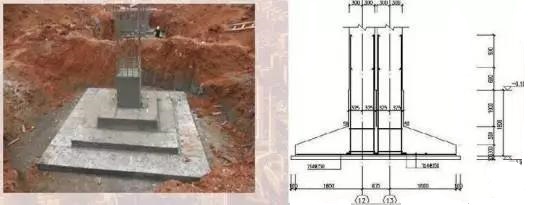
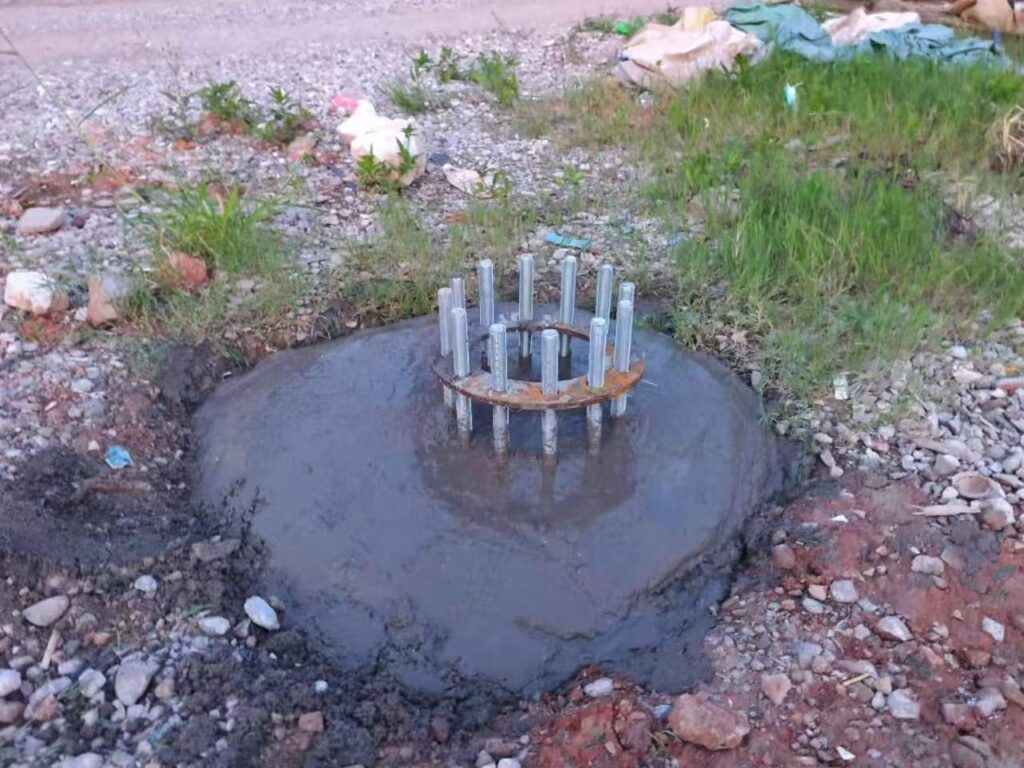
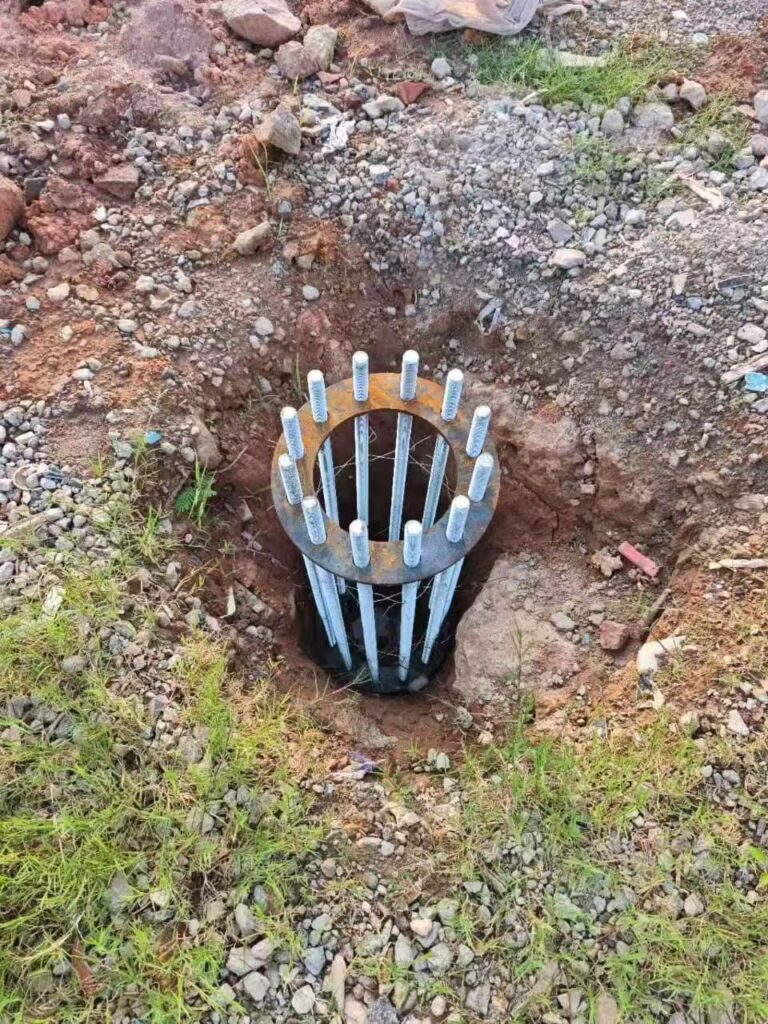
Concrete foundations remain the most widely used solar tracker basement solution for large-scale commercial and utility-grade installations. These foundations typically involve poured concrete piers or slabs that anchor the tracker posts deep into the ground, providing exceptional resistance to wind uplift and structural loads.
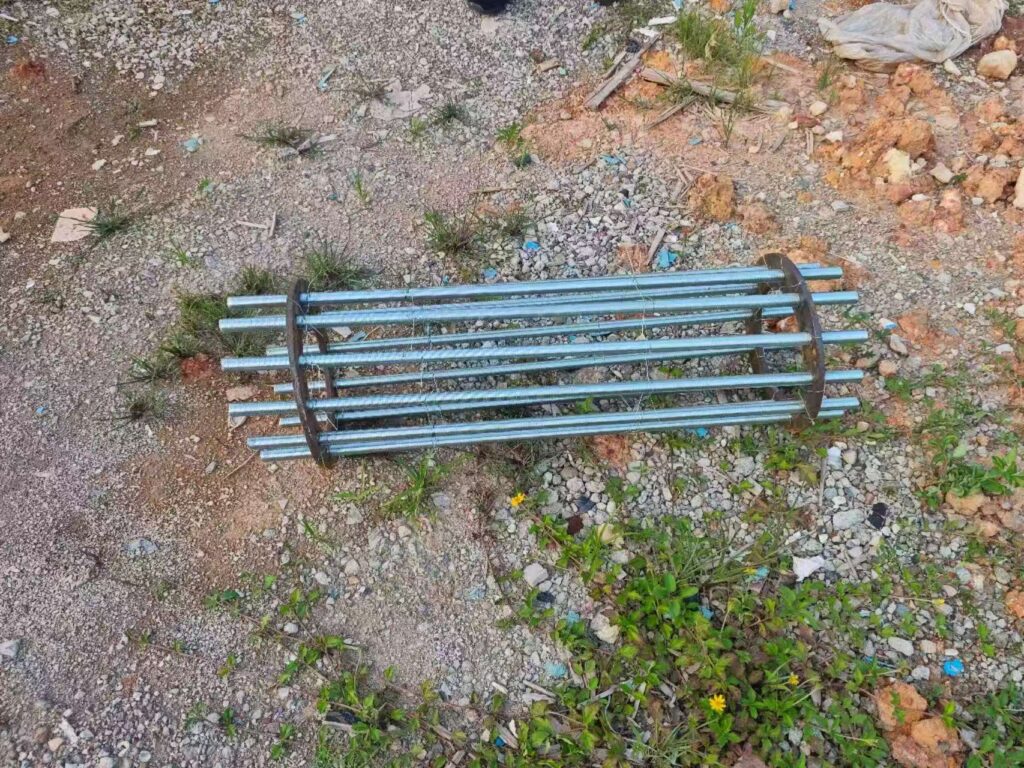
Key advantages include superior durability (25+ years), high load-bearing capacity, and compatibility with all soil types when properly engineered. The installation process involves site excavation, rebar reinforcement, concrete pouring, and curing—making it labor-intensive but extremely reliable.
Real-world example: The WINTOP 1-Axis Solar Tracker System utilizes reinforced concrete piers spaced at calculated intervals to support long tracker rows across flat terrain. Similarly, GRENGY’s customized concrete foundation systems employ precast or cast-in-place concrete blocks for ground-mount arrays, ensuring uniform elevation and structural integrity across expansive solar farms.
2. Mobile and Portable Foundations (Flexible Deployment)
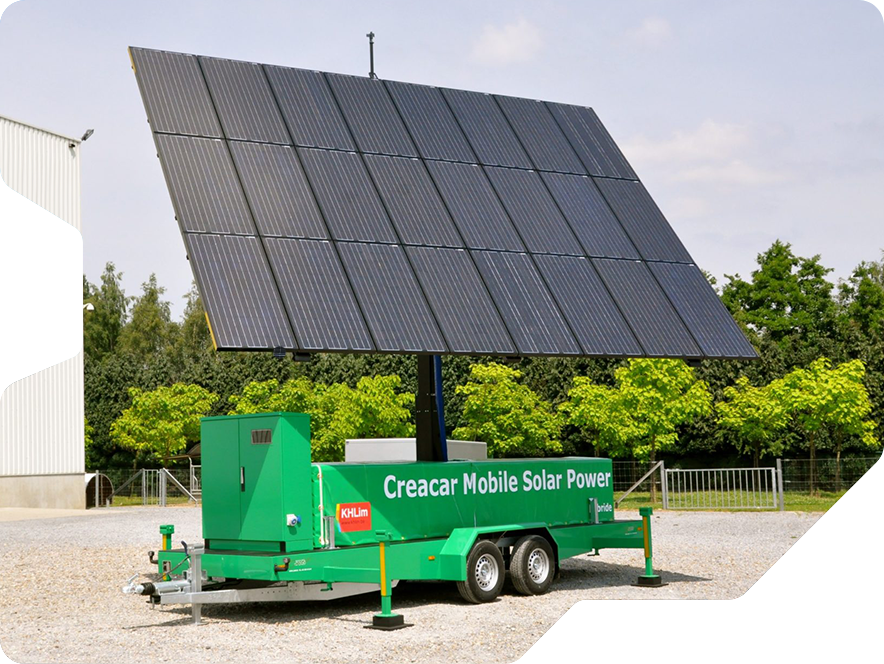
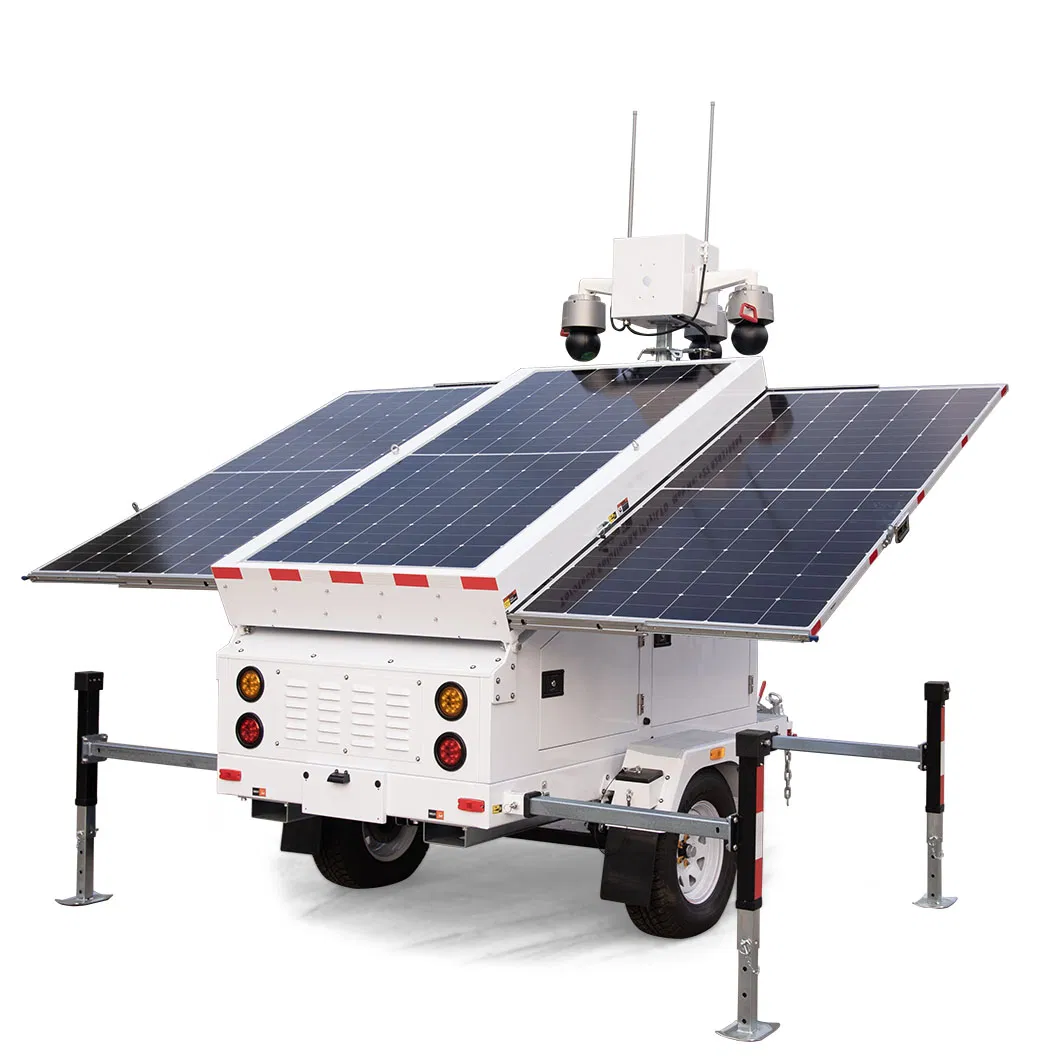
For applications requiring temporary power or rapid redeployment, mobile solar tracking system basement solutions offer unmatched flexibility. These systems typically mount trackers on trailers, skids, or transportable platforms with deployable stabilizing legs.
Key advantages include zero ground penetration, rapid installation, and the ability to relocate the entire system as energy needs change. Mobile trackers are ideal for construction sites, military operations, emergency response, and agricultural seasonal use.
Real-world example: The Creacar Mobile Solar Power trailer features a dual-axis tracker mounted on a towable chassis with hydraulic stabilizers. When deployed, the stabilizing legs create a temporary solar tracker basement without any permanent ground modification. Similarly, portable solar surveillance trailers integrate tracking arrays with PTZ cameras for mobile security applications, demonstrating how mobile foundations enable solar tracking in non-permanent installations.
3. Ground Screw Pile Foundations (Efficient Ground Mounting)
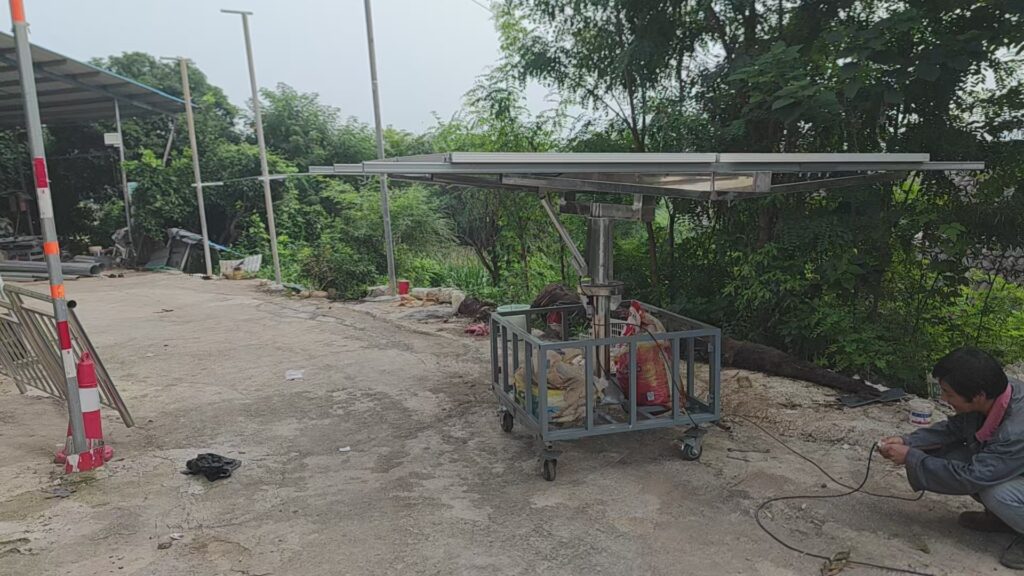
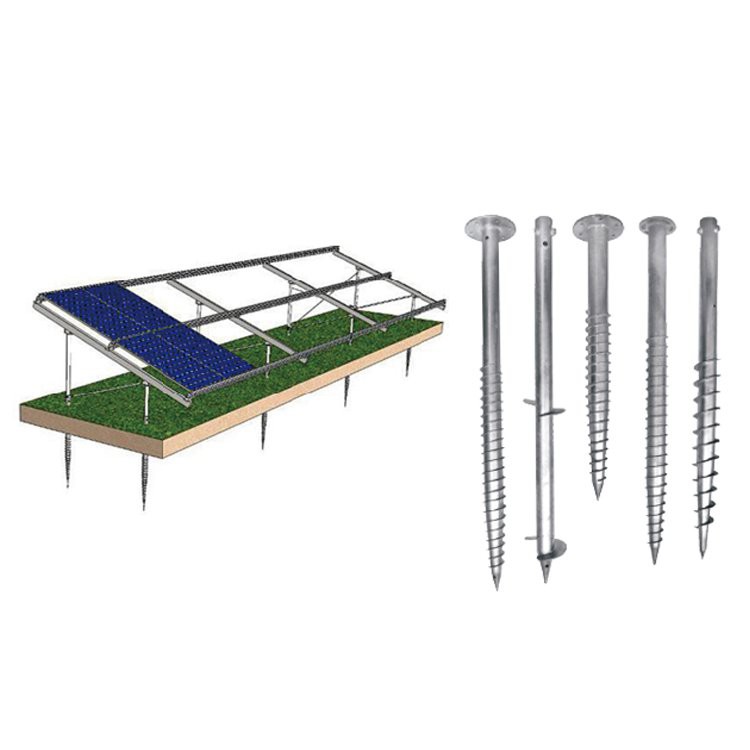
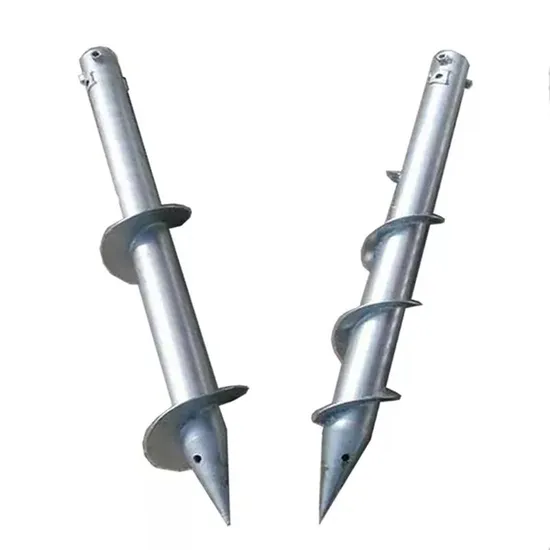
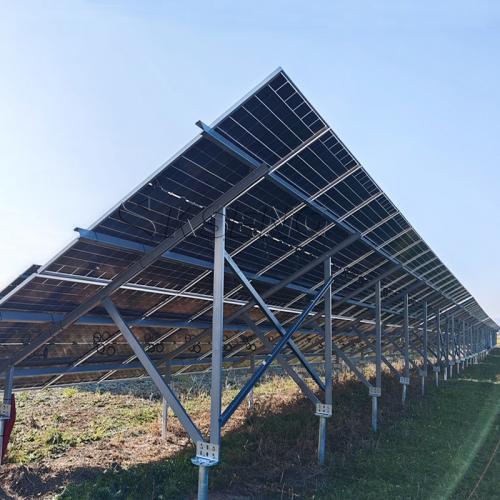
Ground screw piles—also known as helical piles or earth anchors—represent one of the fastest-growing solar tracker basement technologies. These galvanized steel screws are mechanically driven into the ground using hydraulic torque heads, creating immediate load-bearing capacity without excavation or concrete curing time.
Key advantages include installation speed (up to 70% faster than concrete), minimal soil disturbance, excellent performance in grassy or agricultural land, and immediate load-bearing capacity. They are particularly effective in cohesive soils and can be adjusted for height during installation.
Real-world example: The Q235 Ground Screw Pile system by HD Solar Tech features hot-dip galvanized steel screws with specialized helical plates designed specifically for solar mounting applications. XSENG’s Fast Installation Solar Ground Mount system demonstrates how screw piles create a robust solar tracking system basement across grassy terrain without concrete work, preserving topsoil and enabling faster project commissioning.

4. Ballasted Foundation Systems (Non-Penetrating Solutions)
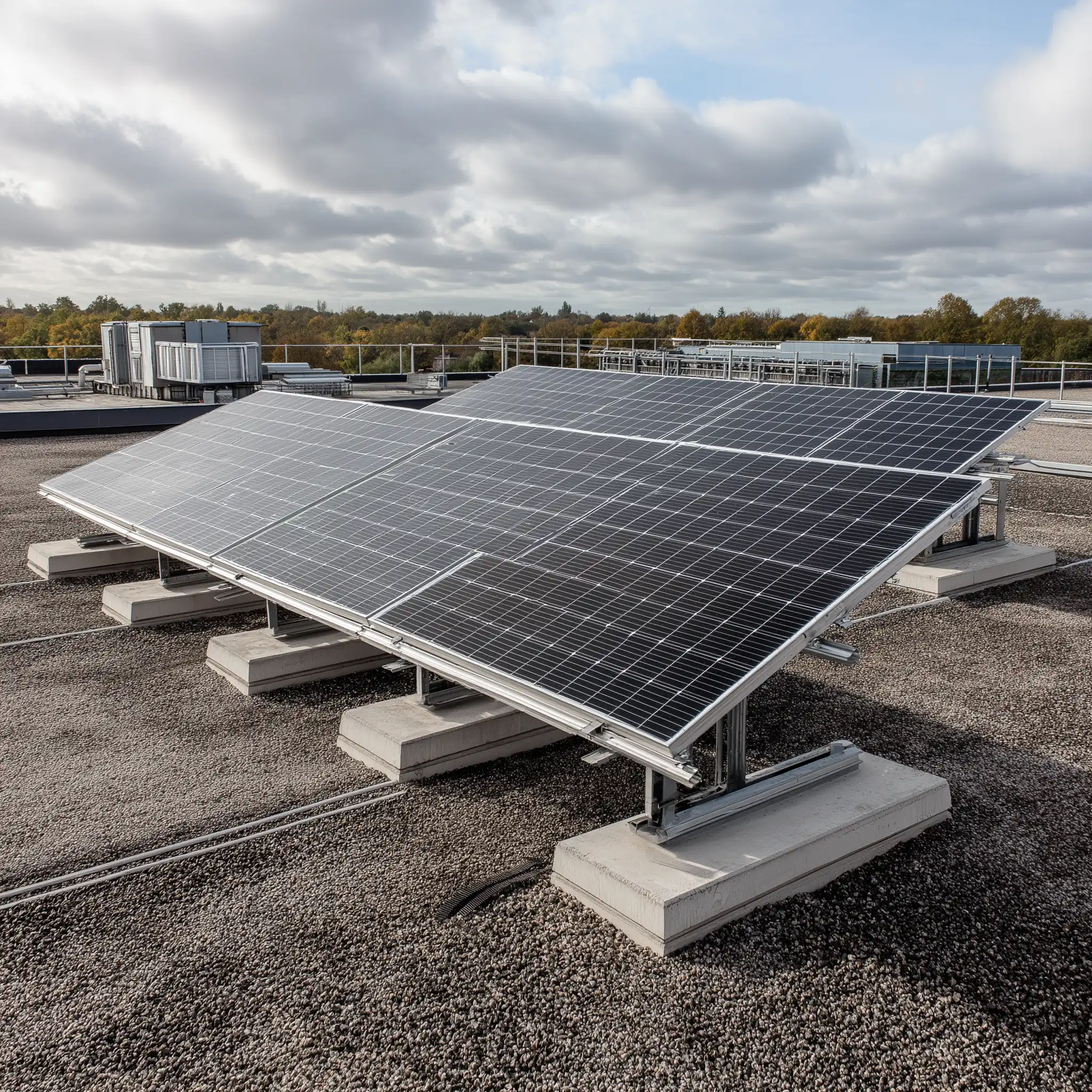
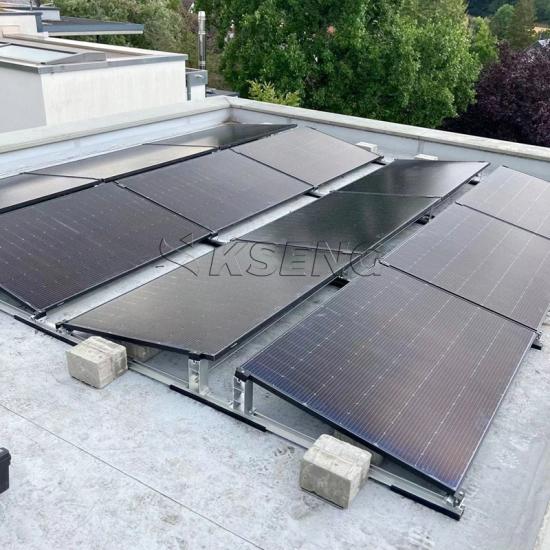
Ballasted foundations use weight—typically concrete blocks or precast ballasts—to secure solar trackers without penetrating the ground or roof surface. This solar tracker basement approach is essential for locations where drilling is prohibited, such as capped landfills, brownfields, or building rooftops.
Key advantages include zero ground penetration, protection of waterproof membranes on roofs, applicability to contaminated or sensitive sites, and simplified permitting. The primary trade-off is increased material weight and transportation costs.
Real-world example: Valsa Engineering’s Flat Ballast Concrete Solar Mounting System uses precisely calculated concrete ballast blocks positioned on commercial rooftops to secure tracker arrays without compromising roof integrity. The XSENG No-Penetration Easy Install system demonstrates ballasted solar tracking system basement deployment on flat roofs, where small concrete blocks at strategic points provide sufficient hold-down force against wind loads while maintaining roof warranty compliance.
5. Rock Anchor and Specialized Foundations (Challenging Terrain)
For installations on rocky terrain, steep slopes, or geologically challenging sites, rock anchors and specialized micropile foundations provide the necessary solar tracker basement stability. These systems use drilled anchors grouted into bedrock or employ short micropiles where conventional foundations are impractical.
Key advantages include viability on slopes up to 30 degrees, minimal concrete requirements, and the ability to anchor directly into bedrock. Rock anchors are common in mountainous European installations and Mediterranean regions where shallow soil overlays limestone or granite.
Real-world example: Steel rock anchor bars with helical plates—similar to those manufactured by Tianyi Cool—are specifically engineered for rocky solar tracking system basement applications. These hot-dip galvanized anchors are drilled into rock formations and grouted, creating pull-out resistance exceeding traditional concrete piers while requiring significantly less material.
Conclusion: Selecting Your Solar Tracker Basement
The choice of solar tracker basement fundamentally impacts project economics, installation timeline, and long-term reliability. Concrete foundations dominate utility-scale projects for their proven durability. Ground screw piles accelerate deployment on agricultural and grassy sites. Ballasted systems solve the challenge of non-penetrating requirements on roofs and sensitive land. Mobile foundations unlock temporary and portable applications. Rock anchors conquer challenging geological conditions.
When planning your solar tracking system basement, conduct thorough geotechnical surveys to determine soil bearing capacity, groundwater levels, and bedrock depth. Match these findings with the appropriate foundation technology to ensure your solar tracker investment delivers optimal energy yield across its entire operational lifetime.