
As the global demand for clean energy continues to rise, maximizing the efficiency of photovoltaic installations has become a top priority for engineers and project developers. A solar panel tracking system is one of the most effective technologies for boosting energy yield by keeping panels aligned with the sun throughout the day. Unlike fixed-tilt installations, a solar sun tracker dynamically adjusts the orientation of solar modules to capture the maximum possible irradiance. This article explores the working principles of the mainstream solar sun tracking system architectures used in commercial and residential applications today.
1. Single-Axis Horizontal Solar Panel Sun Tracker
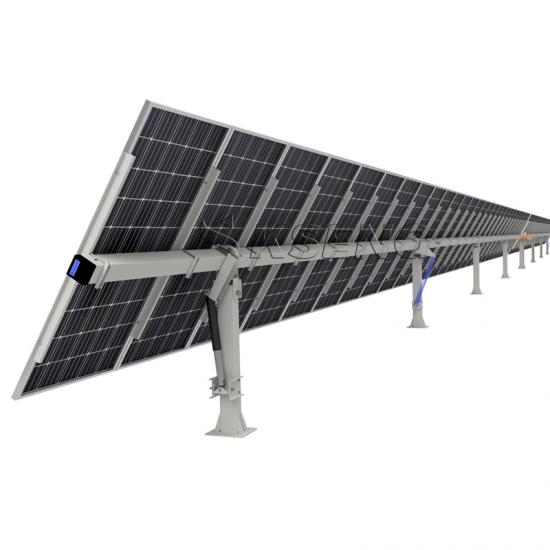
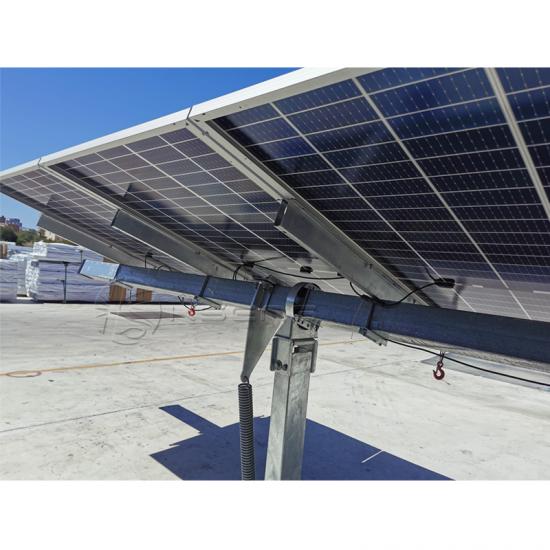
The single-axis horizontal solar panel sun tracker is the most widely deployed configuration in large-scale solar farms. In this design, the photovoltaic array is mounted on a long torque tube that rotates around a horizontal axis, typically oriented north-south.
The working principle is straightforward: the sun tracking system rotates the entire panel row from east to west as the sun traverses the sky. This motion follows the sun’s azimuth angle, ensuring that the panels remain perpendicular to the sun’s rays during daylight hours. The drive mechanism usually consists of a linear actuator or a slewing drive connected to a control unit that calculates the sun’s position based on astronomical algorithms or GPS coordinates.
Horizontal single-axis trackers can increase energy output by 20% to 35% compared to fixed systems, depending on latitude and local climate conditions. Their relatively simple mechanical structure makes them cost-effective for utility-scale projects.
2. Single-Axis Tilted Solar Sun Tracking System
A variation of the single-axis design is the tilted solar sun tracking system, where the rotation axis is inclined at an angle equal to the local latitude. This configuration improves seasonal performance by better accommodating the sun’s changing elevation angle throughout the year.
In this architecture, the tilted axis allows the panels to track the sun more effectively during morning and evening hours when the sun is lower on the horizon. The control system continuously monitors the sun’s position and commands the actuator to adjust the panel tilt accordingly. This type of solar panel tracking system is particularly popular in regions with high latitudes where the sun’s path varies significantly between seasons.
![PDF] Comparative Study between Azimuth-Elevation and Tilt-Roll Sun-Tracking Systems in Range of Motion | Semantic Scholar](https://kimi-web-img.moonshot.cn/img/figures.semanticscholar.org/129d377898845e6fb624f043608add1f7ccc2876.png)
3. Dual-Axis Solar Panel Tracking System
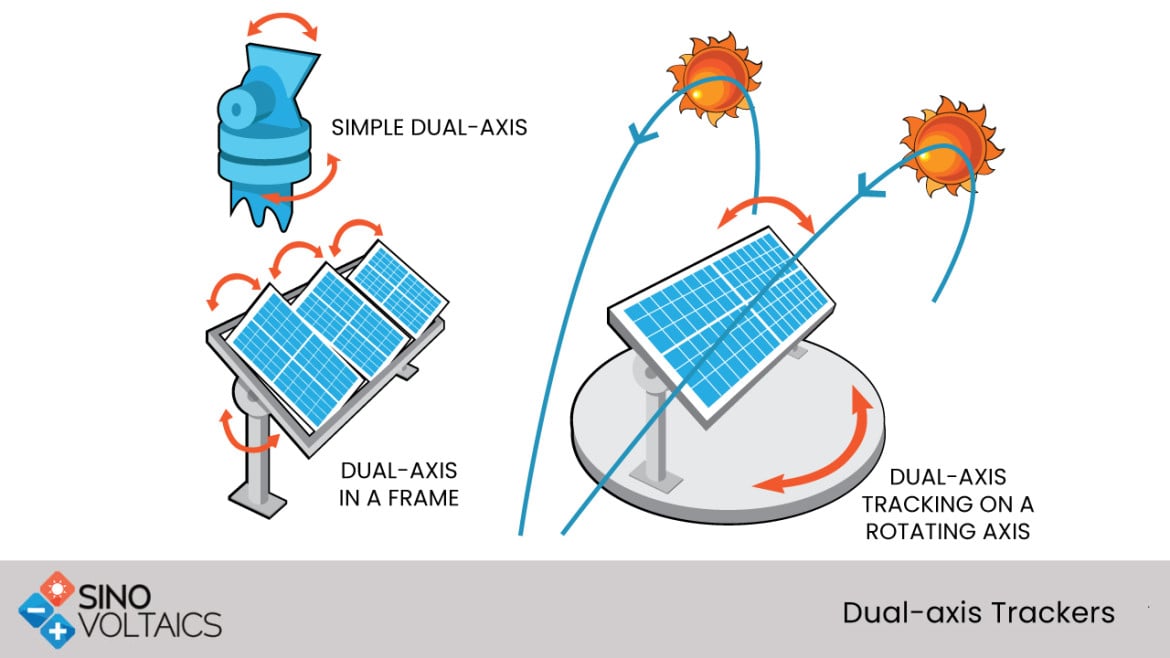
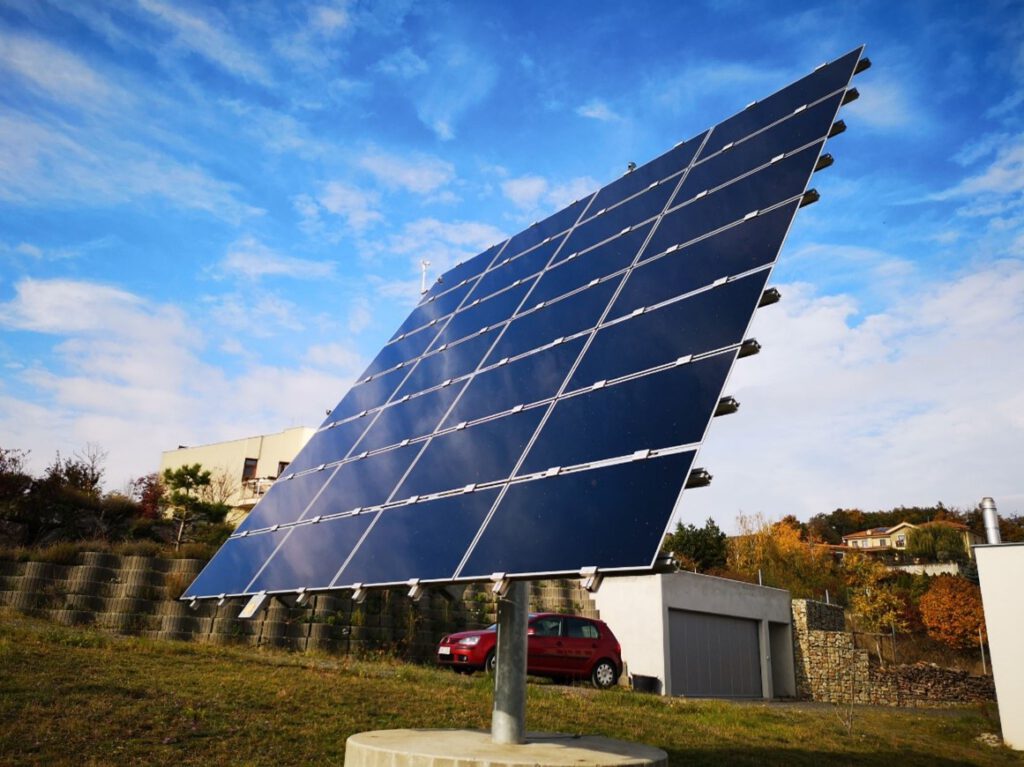
For maximum energy capture, the dual-axis solar panel tracking system offers the most comprehensive solution. This advanced solar sun tracker adjusts panels along two independent axes: azimuth (horizontal rotation) and elevation (vertical tilt).
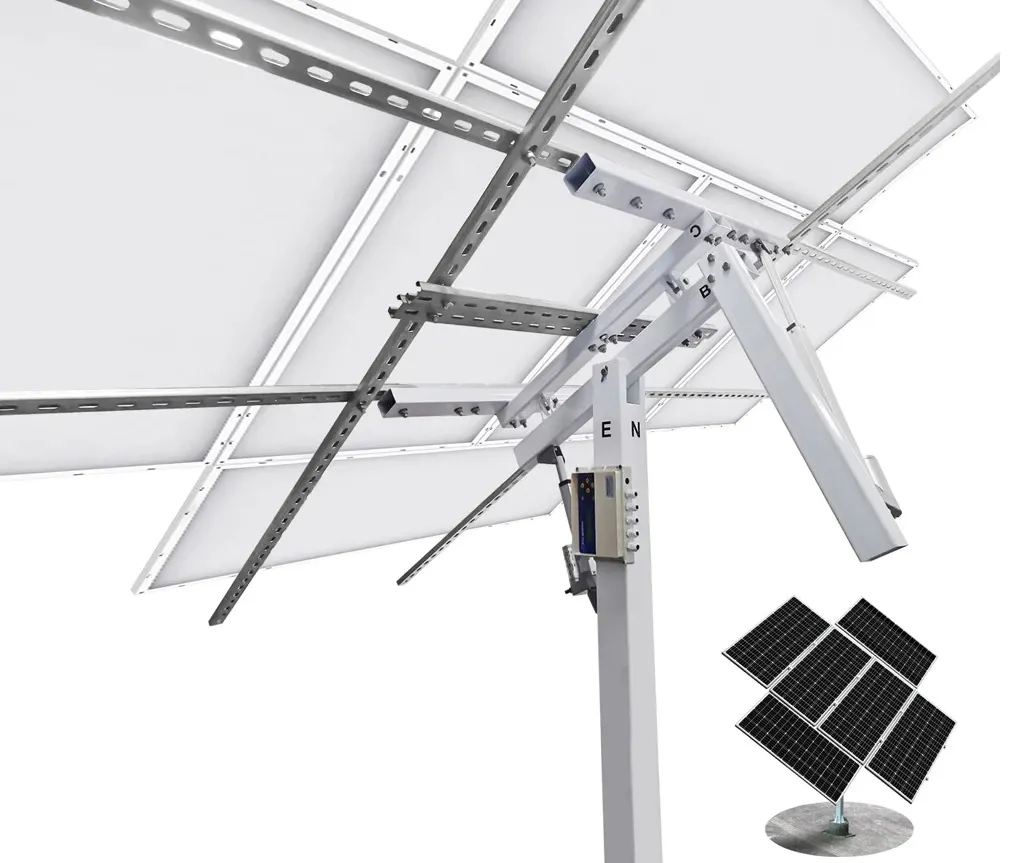
The working principle involves two degrees of freedom. The azimuth drive rotates the entire assembly around a vertical axis to follow the sun’s east-to-west movement. Simultaneously, the elevation drive tilts the panel array up and down to match the sun’s altitude angle. This dual-motion capability allows the panels to maintain an optimal 90-degree incidence angle with the sun’s rays throughout the entire day and across all seasons.
A dual-axis sun tracking system can boost energy yield by 35% to 45% compared to fixed installations. However, the increased mechanical complexity and maintenance requirements make this solution more suitable for smaller installations, concentrated solar power (CSP) plants, or high-value applications where maximum efficiency is critical.
4. Azimuth-Elevation vs. Tilt-Roll Mechanisms
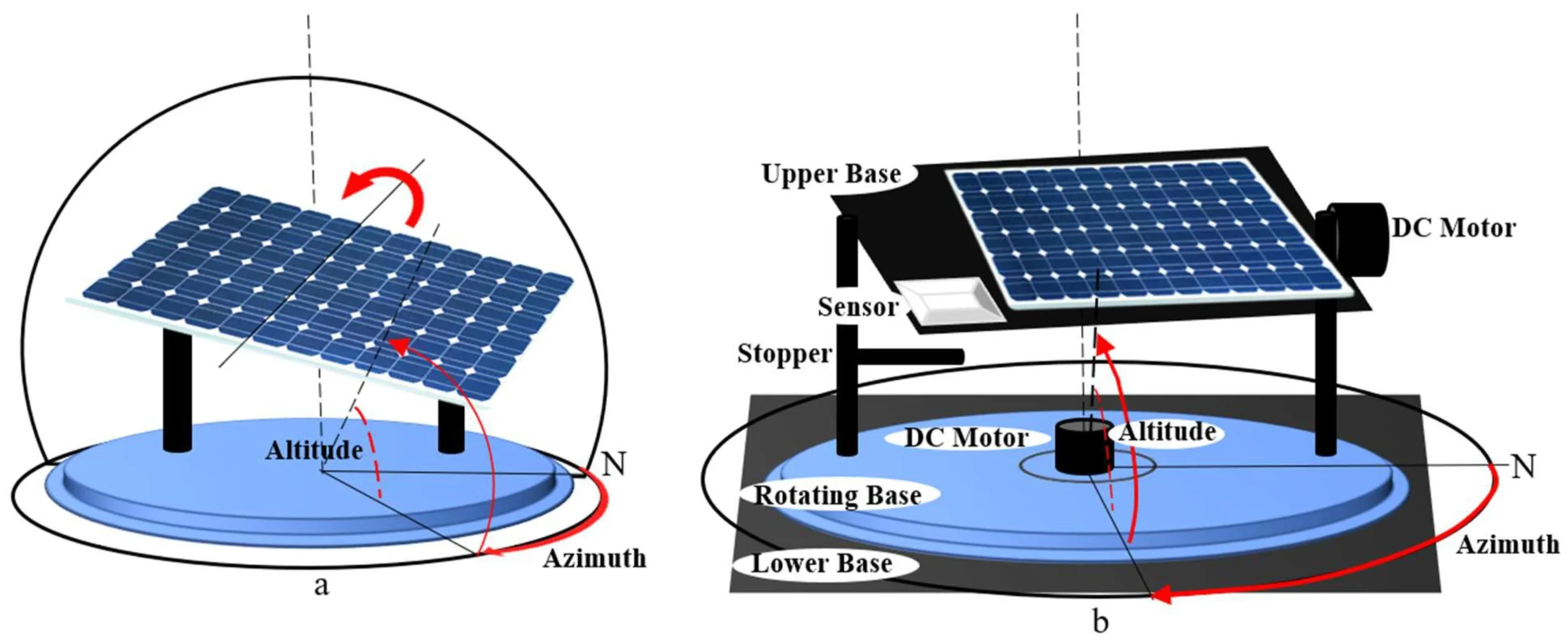
Within dual-axis systems, two primary mechanical architectures exist: azimuth-elevation and tilt-roll configurations.
The azimuth-elevation design features a rotating base that turns the entire structure horizontally, combined with an upper frame that tilts vertically. This is the most common dual-axis solar sun tracking system layout. The control algorithm calculates both angles based on the site’s geographic coordinates, date, and time, then drives two independent motors to achieve the target position.
The tilt-roll mechanism, alternatively, uses a different kinematic approach where the panel rotates around an inclined axis. Both systems achieve the same goal—keeping the panel normal to the sun—but differ in mechanical implementation and structural load distribution.
5. Control and Sensor Technologies
Modern solar panel sun tracker systems rely on sophisticated control technologies. There are two primary control strategies:
Active Tracking (Astronomical): The controller uses embedded algorithms to calculate the sun’s precise position based on GPS coordinates, date, and time. This approach is highly reliable and unaffected by weather conditions.
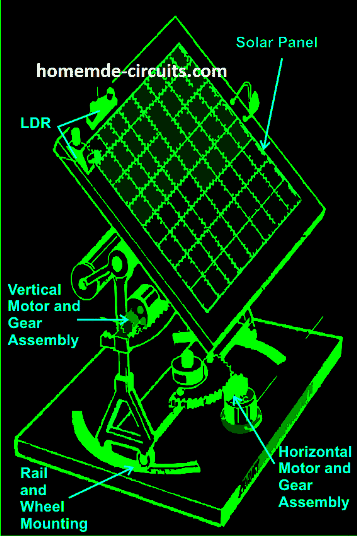
Passive Tracking (Optical): Light-dependent resistors (LDRs) or photodiodes detect the sun’s position by measuring light intensity differences. The control system drives motors to minimize the differential signal, effectively pointing the panels toward the brightest light source.
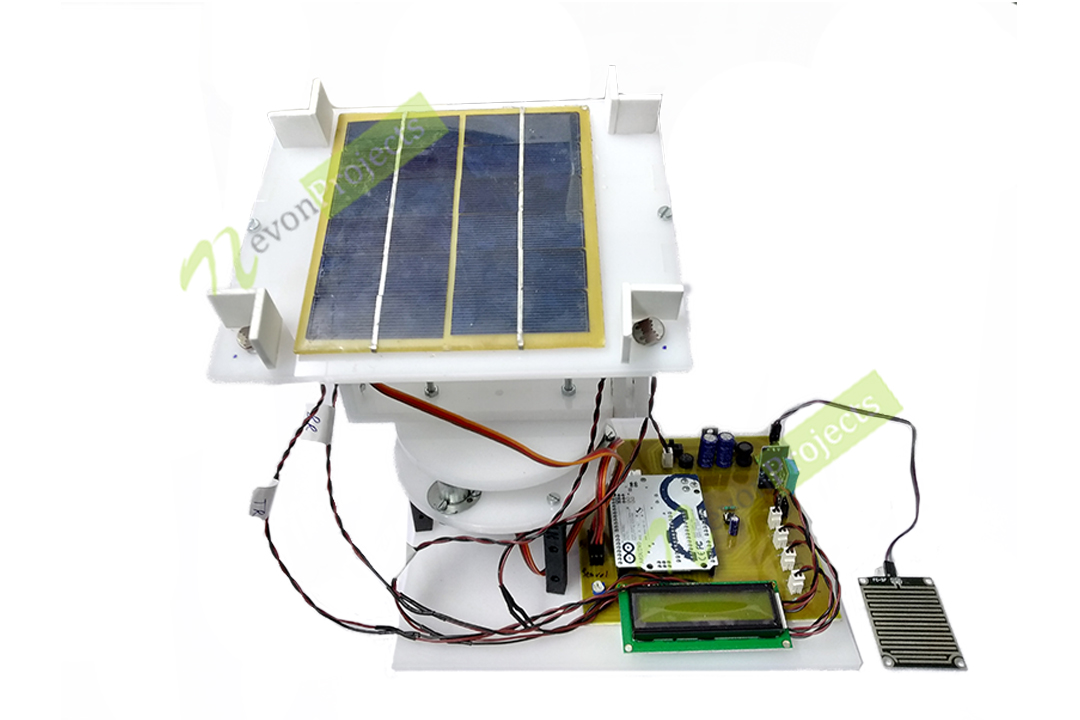
Advanced solar sun tracking system controllers often combine both methods, using astronomical calculations as the primary reference and optical sensors for fine-tuning. Weather sensors are also integrated to command the panels into a safe horizontal position during high winds or heavy snow.
6. Drive Mechanisms and Actuators
The physical motion in a solar panel tracking system is achieved through various drive technologies:
- Linear Actuators: Electric cylinders or ball screw actuators push or pull the panel frame to achieve the desired angle. These are common in single-axis systems.
- Slewing Drives: Worm gear-based rotary drives provide high torque for azimuth rotation in dual-axis trackers.
- DC Motors with Gearboxes: Small DC motors paired with reduction gearboxes are used in smaller residential solar sun tracker units.
The actuator selection depends on the system size, load requirements, and environmental conditions.
Conclusion
From simple horizontal single-axis trackers to sophisticated dual-axis solar sun tracking system architectures, each technology offers a unique balance of cost, complexity, and energy yield. A solar panel sun tracker represents a significant investment, but the substantial increase in energy production—ranging from 20% to over 45%—often justifies the additional cost, especially in regions with high electricity prices or limited installation space.
As drive technologies, control algorithms, and materials continue to advance, the solar panel tracking system market is expected to grow rapidly, making solar tracking an increasingly standard feature in both commercial and residential photovoltaic installations worldwide.